Few things are more stressful for pet owners than discovering their dog or cat has diarrhea. Whether it’s a single loose stool or multiple trips outside or to the litter box, digestive upset can leave you wondering if it’s something that will pass or if it’s time to call the vet.

The good news is that many cases of mild diarrhea resolve with supportive care. However, some situations require prompt veterinary attention. At Uptown Veterinary Clinic, we’re here to help determine the cause, keep your pet comfortable, and get them back to feeling their best.

Causes

Why Do Dogs and Cats Get Diarrhea?

Diarrhea is a symptom that can have many different causes, including:

“We tend to see a small uptick in diarrhea in the summer due to increased boarding, schedule disruption, and stressors like fireworks. And certainly intestinal parasites are always a concern. Because there are so many possible causes, it's important not to assume every case needs the same treatment.”
Monitor and take action

What You Can Do At Home

If your pet is otherwise acting normally and has only mild diarrhea, there are a few things you can do while monitoring them closely:

Before making any dietary changes or starting supplements, it’s always best to contact your veterinary team for guidance.

Microorganisms

The Importance of A Healthy Gut Bicrobiome

Inside your pet’s digestive tract lives a community of beneficial bacteria known as the gut microbiome. These microorganisms play an essential role in digestion, immune function, reducing inflammation, and helping keep harmful bacteria in check.

When the microbiome becomes disrupted, a condition called dysbiosis, digestive problems can persist even after the original cause of diarrhea has resolved.

Supporting a healthy microbiome has become an important part of modern diarrhea management.

Protect the Microbiome

Why Antibiotics Aren't Always the Answer

For years, antibiotics such as metronidazole were commonly prescribed for dogs with acute diarrhea. However, recent research has shown that in many uncomplicated cases, antibiotics do not help dogs recover faster than supportive care and probiotics. Instead, they may reduce the diversity of beneficial bacteria in the gut and contribute to antimicrobial resistance.

According to the American Veterinary Medical Association, many dogs recover just as quickly (sometimes even better) with nutritional management and therapies that support the gut microbiome rather than disrupt it. 

Every pet is different, though. Some cases absolutely do require antibiotics or other medications, especially when there is evidence of a bacterial infection, severe illness, or another underlying medical condition. That’s why a veterinary examination is so important.

Treatment

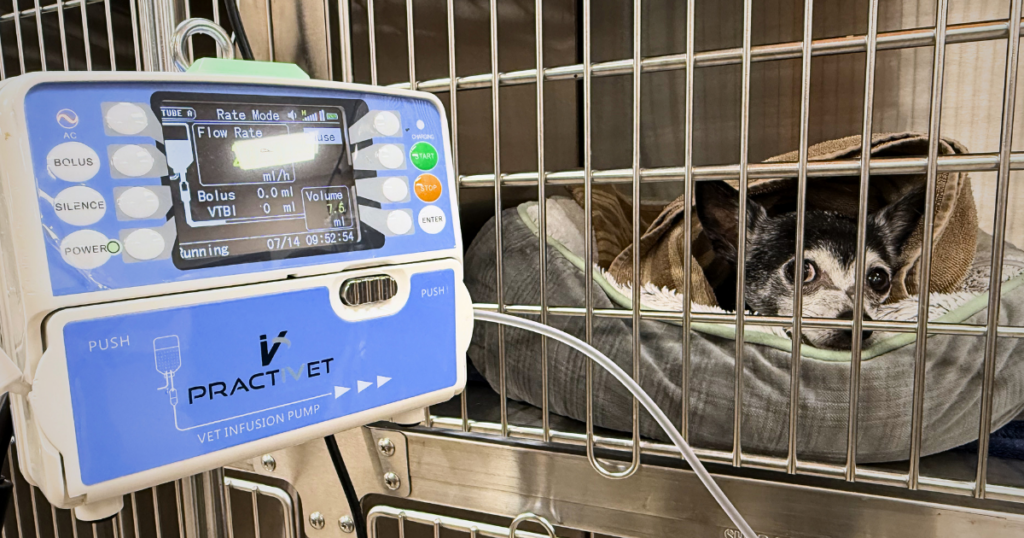
How Veterinarians Support Digestive Recovery

Depending on your pet’s condition, treatment may include:

The goal is not simply to stop diarrhea but to restore normal digestive function while treating the underlying cause.

Call us.

When Diarrhea is an emergency

Contact Uptown Veterinary Clinic right away if your pet:

These pets may require prompt evaluation and treatment to prevent more serious complications.

Call us.

We're Here to Help

Diarrhea can range from a minor digestive upset to a sign of a more serious illness. The best treatment depends on your pet’s age, overall health, medical history, and the underlying cause of their symptoms.

If your dog or cat is experiencing diarrhea, don’t wait until they’re feeling worse. Our team at Uptown Veterinary Clinic can evaluate your pet, recommend the most appropriate treatment plan, and help restore their digestive health so they can get back to feeling like themselves.