
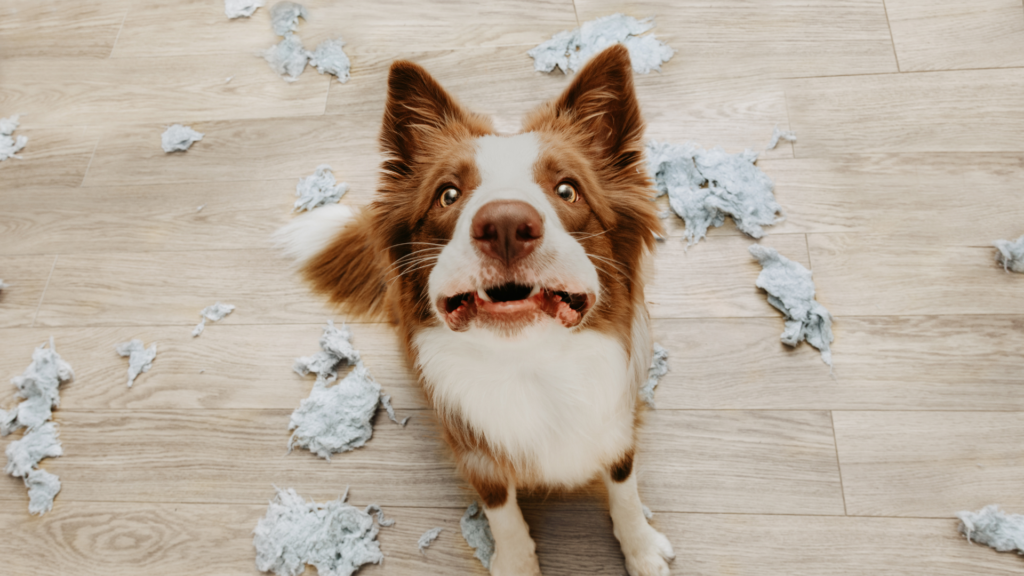
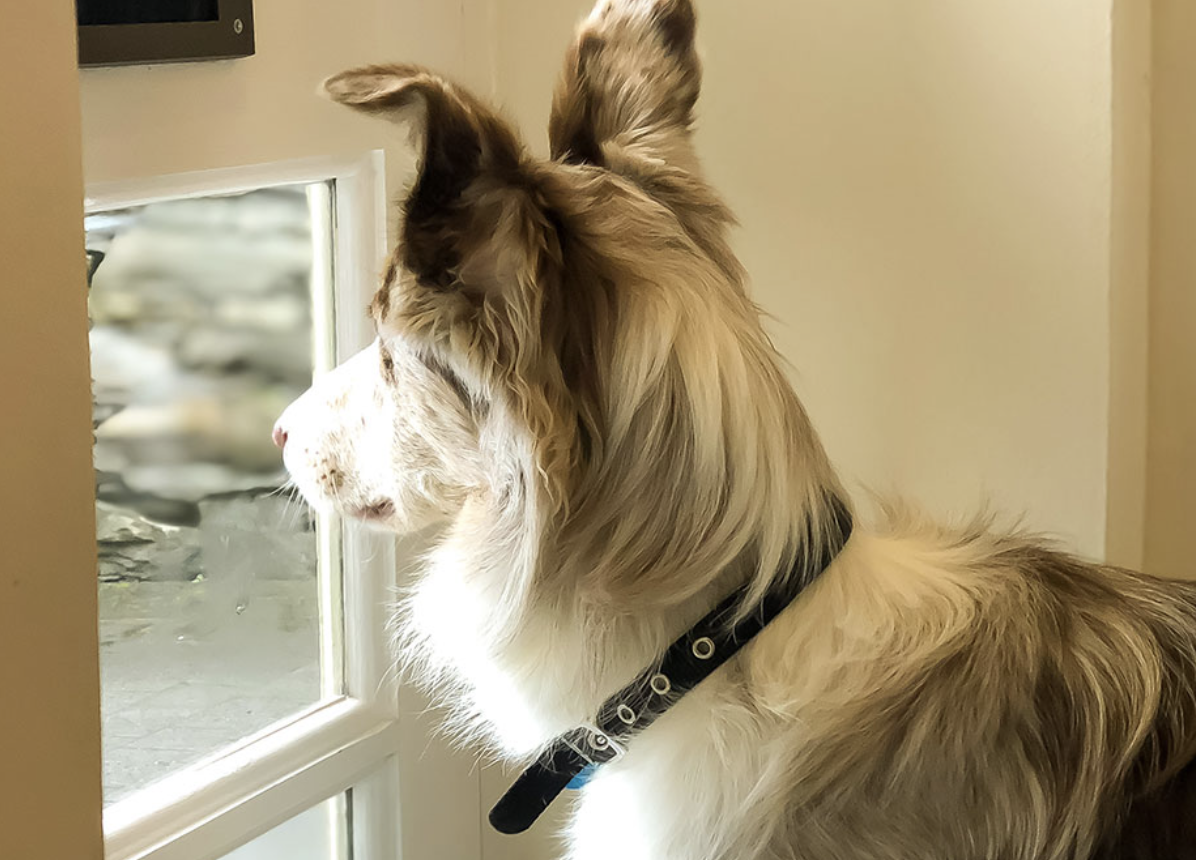
For many pets, being home alone is simply part of the daily routine. But for some dogs and cats, time away from their favorite people can trigger significant stress and anxiety. Separation anxiety can lead to behaviors such as excessive barking or meowing, pacing, destructive chewing, house-soiling, escape attempts, and difficulty settling.

There is hope. Separation anxiety can be managed. With patience, consistency, and the right approach, you can help your pet feel safer and more comfortable when you’re away.

Emotional Distress?

What is Separation Anxiety

Separation anxiety occurs when a pet experiences significant distress when separated from their owner or left alone. While it is most commonly recognized in dogs, cats can experience separation-related anxiety, too.

According to the American Animal Hospital Association (AAHA), signs can include excessive vocalization, pacing, restlessness, destructive behavior, and inappropriate elimination.

It’s important to understand that these behaviors aren’t your pet being “bad.” An anxious pet is experiencing a genuine emotional response to being alone.

Look for these

Signs Your Pet May Have Separation Anxiety

Every pet is different, but some common warning signs include:

Barking, whining, howling, or excessive meowing when left alone
Pacing or restlessness
Destructive chewing, scratching, or digging
Scratching or chewing around doors and windows
Attempts to escape confinement
Urinating or defecating in the house despite being house-trained
Excessive drooling or panting
Difficulty settling down
Over-the-top excitement when you return
The Cause

Why Does Separation Anxiety Happen

There isn’t one single cause of separation anxiety. A pet’s genetics, temperament, early experiences, socialization, and life circumstances can all play a role.

Changes in a pet’s routine can be particularly important. Moving to a new home, a change in work schedule, a new family member, the loss of someone in the household, or a change in how much time your pet spends alone may trigger anxiety. AAHA and the ASPCA both identify changes in routine, household, or living situation as potential contributing factors.

Research has also explored the role of a dog’s early experiences and individual characteristics in separation-related behavior. This is one reason it’s important to look at the whole pet, not simply the behavior itself, when developing a treatment plan.

7 Tips
to Help Your Pet Manage Separation Anxiety

Start with Small Absences

One of the most important principles of separation-anxiety training is gradual progress.

If your pet becomes anxious after five minutes alone, don’t begin by expecting them to handle an hour. Instead, start with an absence short enough that your pet remains calm—even if that means stepping out of sight for only a few seconds.

Gradually increase the amount of time you’re away as your pet becomes comfortable.

The goal isn’t to see how long your pet can tolerate being alone. The goal is to teach them that being alone is safe and temporary.

For moderate or severe separation anxiety, a structured desensitization and counterconditioning program may be needed, often with guidance from a veterinary behavior professional.

Make Leaving Less Predictable

Many pets learn to recognize the signs that you’re about to leave. Shoes go on. Keys come out. A bag gets picked up. You grab your coffee and head toward the door. For an anxious pet, these everyday signals can become triggers.

Try occasionally picking up your keys without leaving. Put on your shoes and sit down to watch television. Grab your bag and then make breakfast.

Over time, these “departure cues” can become less alarming because they no longer automatically mean that you’re going to disappear.

Create a Comfortable Safe Space

Give your pet a place where they can relax when you’re away. This might be a quiet room, gated area, or another comfortable space with familiar bedding and favorite toys.

Some dogs find their crates comforting, but a crate isn’t the right solution for every anxious dog. If your pet pants heavily, drools, howls, or attempts frantic escapes when confined, placing them in a crate may increase their distress rather than reduce it.

Choose the environment where your individual pet feels safest.

Give Your Pet Something Positive to Do

Mental stimulation can help keep your pet occupied and provide a positive association with your departure.

Consider offering:

Keep in mind that severely anxious pets may be too distressed to eat when left alone. If your pet ignores even favorite treats when you’re gone, that’s an important sign that they may need additional support.

Keep Your Pet Physically and Mentally Active

Exercise and enrichment are important components of a healthy routine and can help reduce stress.

Before leaving, consider taking your dog for a walk, playing a game of fetch, or practicing a few reward-based training exercises. For cats, interactive play sessions, climbing opportunities, food puzzles, and other enrichment activities can help keep their minds engaged.

The goal isn’t simply to “wear your pet out.” Instead, you’re giving them appropriate outlets for physical energy and natural behaviors while building a predictable daily routine.

Keep Departures and Arrivals Calm

It can be tempting to make a huge production out of saying goodbye—or to throw a welcome-home party the moment you walk through the door.

For an anxious pet, however, keeping these moments calm and predictable can help reduce the contrast between you being home and being away.

Try to make departures low-key and avoid prolonged goodbyes. When you return, greet your pet calmly and give them an opportunity to settle before engaging in an exciting play session.

Consistency is key.

Don't Punish Anxiety-Related Behaviors

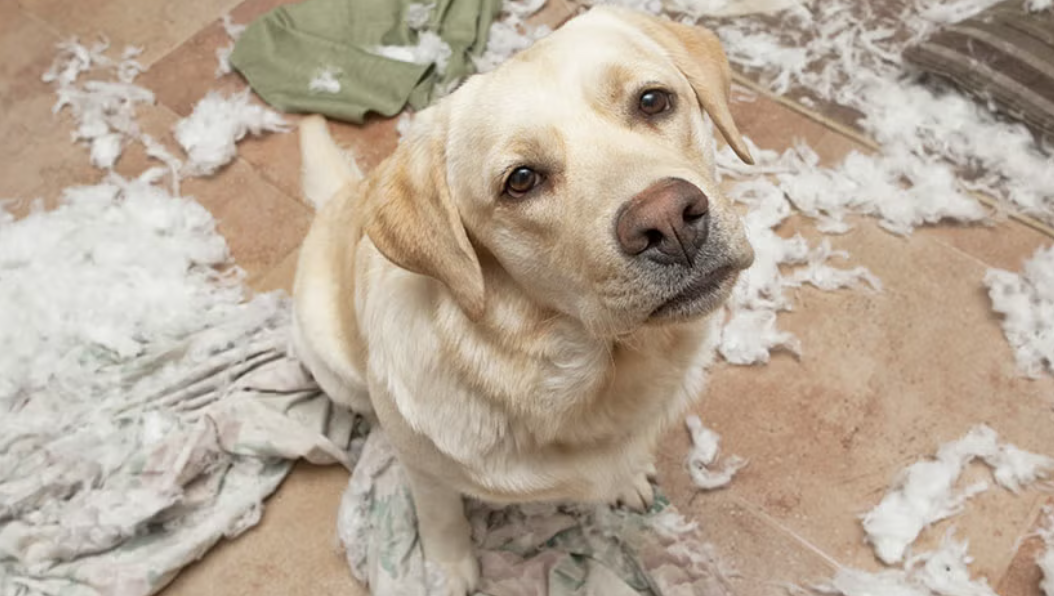
Coming home to a destroyed door, overturned trash can, or accident on the floor can be frustrating. But punishment isn’t the answer.

Your pet isn’t destroying the house to get revenge, and they aren’t having an accident because they’re trying to upset you. If the behavior is caused by anxiety, punishment can increase fear and make the problem worse. The ASPCA specifically advises against scolding or punishing dogs for separation-related behaviors.

Instead, focus on identifying why the behavior is happening and addressing the underlying anxiety.

What About Calming Products?

If your pet’s anxiety is severe, getting professional help sooner rather than later can make a big difference.

Contact your veterinarian if your pet:

Your veterinarian can help determine whether an underlying medical issue could be contributing to the behavior and develop an appropriate treatment plan.

For some pets, treatment may include behavior modification, environmental changes; and in some cases, medication. Medication isn’t necessarily a quick fix or a replacement for training. Instead, it can sometimes help reduce anxiety enough for a pet to participate successfully in a behavior-modification program.

Remember: Progress Takes Time

Separation anxiety doesn’t develop overnight, and it usually doesn’t disappear overnight either.

The most effective approach is patient, gradual, and individualized. Avoid pushing your pet beyond the point where they become distressed, and celebrate small improvements along the way.

If your pet can comfortably stay alone for 30 seconds today when they couldn’t tolerate 10 seconds last week, that’s progress.

Your pet doesn’t need to learn that they don’t need you. They need to learn that they are safe when you’re not there.

At Uptown Veterinary Clinic, we’re here to help you understand your pet’s behavior and find solutions that support their physical and emotional well-being. If you’re concerned about separation anxiety, talk with our veterinary team. Together, we can help create a plan that makes being apart a little easier for you both.

Sources & Further Reading

AAHA - Separation Anxiety in Pets: Signs, Causes, and Solutions

Separation anxiety, a behavioral condition that occurs when pets become distressed and anxious during their owner’s absence, can be stressful for pets and owners alike. Understanding the causes and signs of separation anxiety in pets, along with effective management strategies, can improve your pet’s quality of life and strengthen your bond.

Read More

AVMA - New research identifies root causes of separation anxiety in dogs

New research suggests that separation anxiety in dogs should be seen as a sign of underlying frustrations rather than a diagnosis, and understanding these root causes could be key to effective treatment.
Read More

ASPCA - Separation Anxiety

One of the most common complaints of pet parents is that their dogs are disruptive or destructive when left alone. Their dogs might urinate, defecate, bark, howl, chew, dig or try to escape. Although these problems often indicate that a dog needs to be taught polite house manners, they can also be symptoms of distress.

Read More