Pet Hydration

When temperatures climb, staying hydrated is just as important for our animals as it is ourselves. In fact, dogs and cats are much more susceptible to dehydration and heat-related illnesses because they don’t regulate body temperature the same way we humans do. While we sweat to cool ourselves, dogs primarily rely on panting and cats cool themselves through grooming and limited sweating through their paw pads. During Georgia and Alabama’s hot, humid summers, that means they can become dehydrated much faster than many pet owners realize.

At Uptown Veterinary Clinic, we want to help your pets stay healthy and comfortable all season long. Here are some practical ways to keep them safely hydrated.

Water is Essential

Why Hydration Matters

Even mild dehydration can leave your pet feeling tired, sluggish, and uncomfortable. More severe dehydration can quickly become a medical emergency, especially when combined with heat stress or heatstroke. The American Veterinary Medical Association (AVMA) recommends ensuring pets always have access to fresh, clean water and limiting outdoor activity during the hottest parts of the day to reduce the risk of overheating.

Pet Hydration
Heed warnings

Signs Your Pet Might Be Dehydrated

Because pets can’t tell us they’re thirsty, it’s important to recognize the warning signs.

Watch for:

If your pet is showing several of these signs, it’s time to contact your veterinarian promptly.

You can help

Tips to Keep Your Pet Hydrated

Keep Fresh Water Available

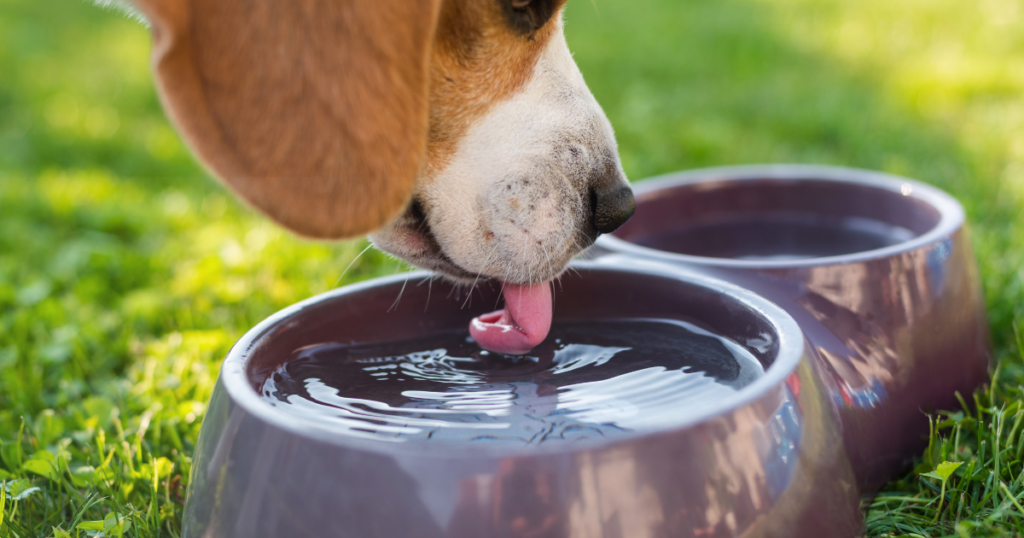
Provide multiple bowls of fresh, cool water throughout your home and yard. Replace the water several times a day to keep it clean and appealing, especially during hot weather.

Bring Water on Every Outing

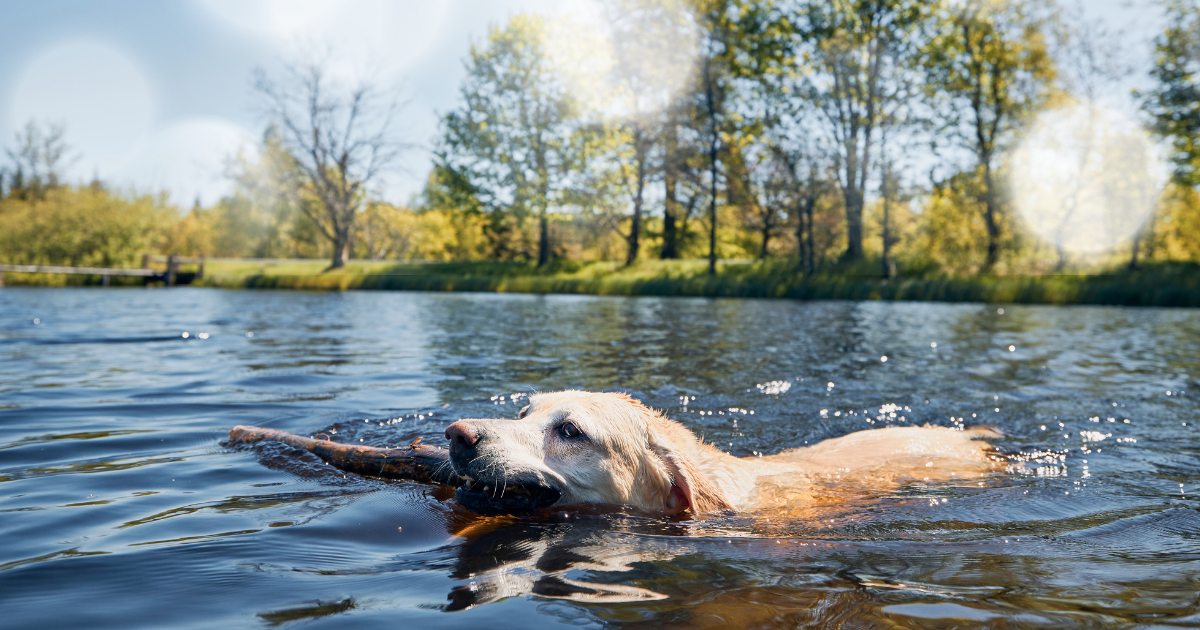
Whether you’re taking a walk along the Riverwalk, heading to a local park, or spending time outdoors, always pack water for your pet. Portable water bottles and collapsible bowls make hydration easy while you’re on the go.

Encourage Drinking

Some pets simply don’t drink enough. Try:

Schedule Outdoor Activity Wisely

Exercise early in the morning or later in the evening when temperatures are cooler. Even on cloudy days, humidity can make it difficult for pets to cool themselves effectively.

Provide Plenty of Shade

If your pet spends any time outside, make sure they always have access to shaded areas and never rely on a doghouse alone, which can trap heat.

High Risk Pets

Are My Pets at Greater Risk?

Some pets require extra caution during hot weather, including:

These pets can become overheated and dehydrated much more quickly than healthy adult animals.

Pet Hydration
Water your pets

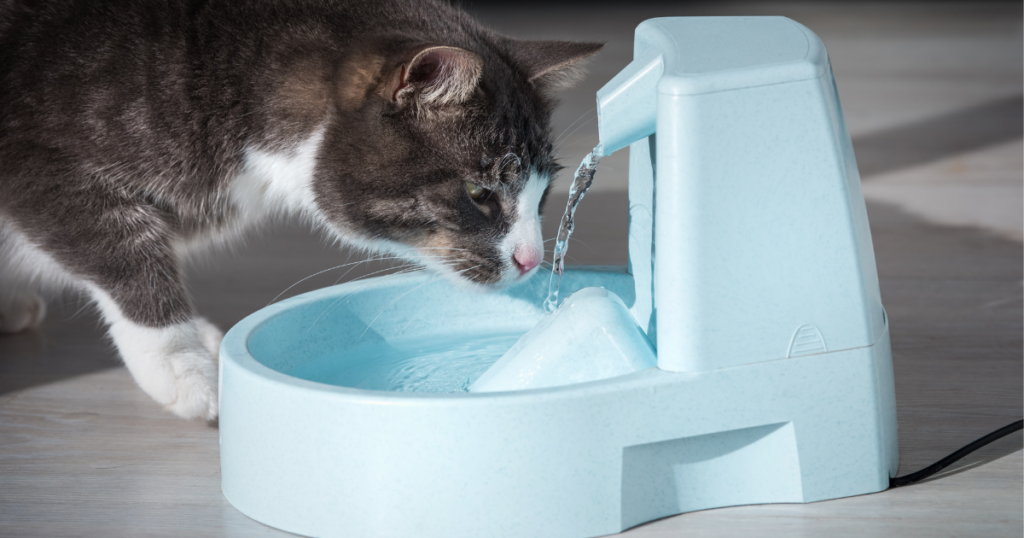
Don't Forget to Hydrate Indoor Pets

Many people assume indoor pets are protected from dehydration, but that’s not always true. Homes without adequate air conditioning, sunny rooms, enclosed porches, or garages can become dangerously warm.

Make sure indoor pets have:

Cats, in particular, often hide signs of illness, so monitoring their water intake is especially important.

When it's too late

When Hydration isn't enough

Dehydration can quickly progress to heat exhaustion or heatstroke.

Seek immediate veterinary care if your pet experiences:

Move your pet to a cool, shaded or air-conditioned area, offer small amounts of cool (not ice-cold) water if they are alert, and contact your veterinarian immediately. Do not use ice baths or extremely cold water, as rapid cooling can sometimes make the situation worse.

Protect Your Pet from Heat Stroke

Summer in Columbus is no joke. With temperatures regularly climbing into the 90s and heat indexes that can push well past 100°F the season demands extra attention when it comes to your pet’s health and safety. Dogs and cats can’t sweat the way we do, which means they’re far more vulnerable to heat exhaustion and heat stroke than most people realize. Here’s what every pet owner in the Chattahoochee Valley needs to know before the hottest months arrive.

Read More
Stay hydrated

Keep Your Pet Safe This Summer

Summer adventures are more enjoyable when everyone stays healthy and hydrated. A little preparation; bringing water on walks, limiting activity during peak heat, and watching for early signs of dehydration can make all the difference.

If you have concerns about your pet’s hydration, heat tolerance, or overall health, the team at Uptown Veterinary Clinic is here to help. Whether you’re planning summer travel, increasing outdoor activities, or simply want peace of mind, we’re happy to answer your questions and help your pet enjoy a safe, healthy summer.