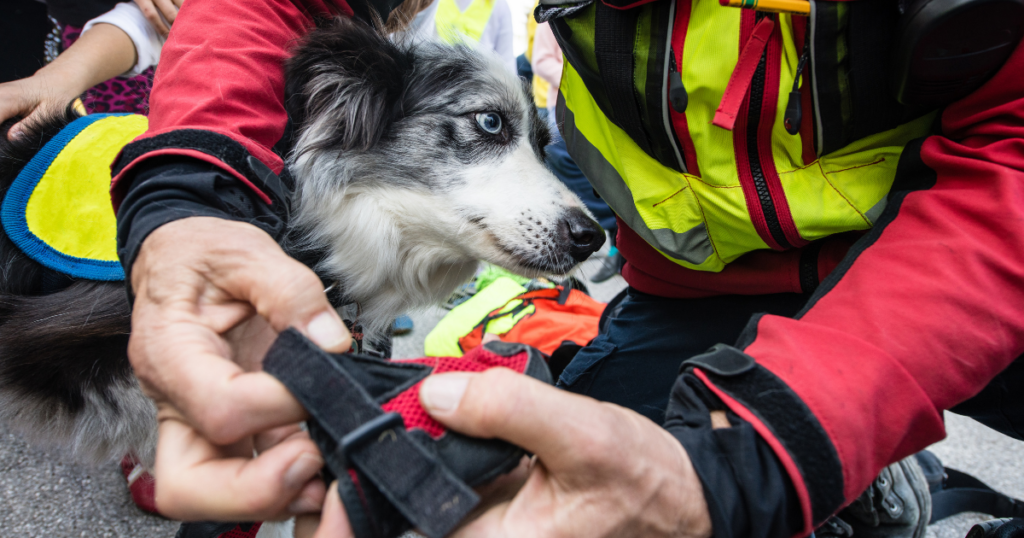
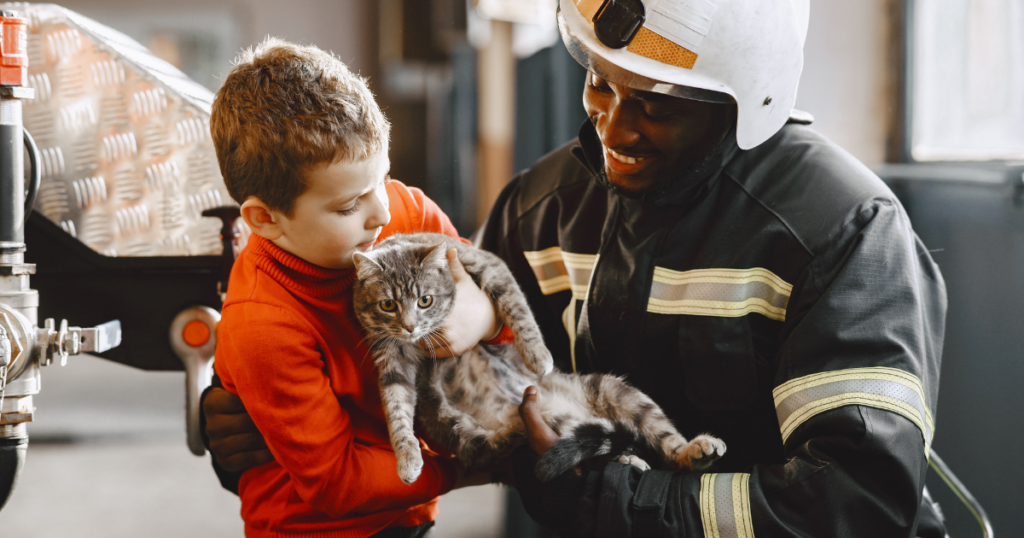
When you create a home emergency plan, it’s important not to forget our pets. Since our pets are a natural extension of our family or household, we may take it for granted that emergency planning will be intuitive or easy. Often we don’t realize there are protocols and some safety procedures that help ensure our pets stay safe or are able to be helped in extreme situations like a house fire.
While house fires can happen unexpectedly, many are preventable. In fact, curious pets can accidentally start fires by turning on stove burners, knocking over candles, or chewing electrical cords. Fortunately, a few simple precautions can make your home safer for everyone.
At Uptown Veterinary Clinic, we’re committed to helping keep your pets healthy and safe both inside and outside the exam room. Here’s how you can reduce fire risks and prepare your family for an emergency.
The Risks
How Pets Can Accidentally Start a Fire
Dogs and cats are naturally curious. They jump on counters, investigate new objects, and sometimes chew on things they shouldn’t. These everyday behaviors can create unexpected fire hazards.
Common causes include:
Turning on stove burners by bumping or pawing at knobs
Knocking over lit candles
Chewing electrical cords
Getting too close to fireplaces or space heaters
According to the National Fire Protection Association, pets or wild animals are involved in starting approximately 750 home fires each year, often involving cooking equipment, fireplaces, heaters, electrical wiring, lamps, and candles.
Take Action
Reduce Fire Risks Around Your Home
A few small changes can significantly improve your home’s safety.
Consider Crate Training
Training your pet to use a crate while you are away keeps them from roaming around the house or displaying destructive behaviors while you are away. Crates can also serve as a safe space that helps reduce your pet’s anxiety. After training, often they will see the crate as a comforting respite.
Choose Flameless Candles
Battery-operated candles provide the same warm ambiance without the danger of an open flame that an excited tail or curious paw could knock over.
Protect Your Stove
Remove or cover stove knobs when you’re away from home. This simple step helps prevent pets from accidentally turning on burners.
Keep Pets Away from Heat Sources
Create a pet-free zone around fireplaces, wood stoves, space heaters, and outdoor fire pits. The NFPA recommends keeping pets at least three feet away from fireplaces and using a sturdy metal or heat-resistant glass screen, as fireplace glass can remain dangerously hot long after the fire has gone out.
Prevent Electrical Hazards
If your pet likes to chew, inspect electrical cords regularly and replace damaged ones immediately. Consider cord protectors to discourage chewing and reduce fire risks.
Every Second Counts
Make It Easier for Firefighters to Help
If a fire occurs while you’re away from home, emergency responders may need to locate your pets quickly.
Place a pet alert window decal near your home's entrance.
Keep the decal updated with the number and types of pets in your home.
When possible, leave crated pets in rooms near an exterior door when you're away, making rescue easier if firefighters need to enter.
Proper Preparation
Include Your Pets In Your Emergency Plan
Every household should have an evacuation plan that includes pets.
Your pet emergency kit should include:
Leash and harness
Cat carrier or travel crate
Three to seven days of food and water
Medications
Vaccination and medical records
A recent photo of your pet
Microchip information and ID tag details
Safe and Sound
Don't Forget Your Smoke Alarms
Smoke alarms save lives, including the lives of pets.
The NFPA recommends:
Installing working smoke alarms on every level of your home.
Testing smoke alarms at least once each month.
Replacing batteries and alarms according to the manufacturer's recommendations.
Most importantly, if the smoke alarm sounds:
Get out immediately and stay out. Never re-enter a burning home to rescue a pet. Instead, tell firefighters exactly where your pet may be trapped so trained responders can help safely.
Health Check
After a Fire Have Your Pet Examined
Even if your pet appears unharmed, smoke inhalation and heat exposure can cause serious internal injuries that aren’t immediately visible.
Signs of smoke inhalation may include:
Coughing
Difficulty Breathing
Excessive Panting
Weakness
Burns Around the Face or Paws
Lethargy or Unusual Behavior
If your pet has been exposed to smoke or fire, seek veterinary care as soon as possible.
Pet Fire Safety Planning
Protecting the Ones that Depend on You
Pet fire safety planning is about giving yourself the best chance to protect every member of your family.
By reducing fire hazards, practicing an evacuation plan, maintaining working smoke alarms, and keeping an emergency kit ready, you’ll be better prepared if disaster ever strikes.
If you have questions about emergency preparedness, microchipping, or your pet’s health after a smoke exposure event, the team at Uptown Veterinary Clinic is always here to help keep your pets safe, healthy, and by your side.