
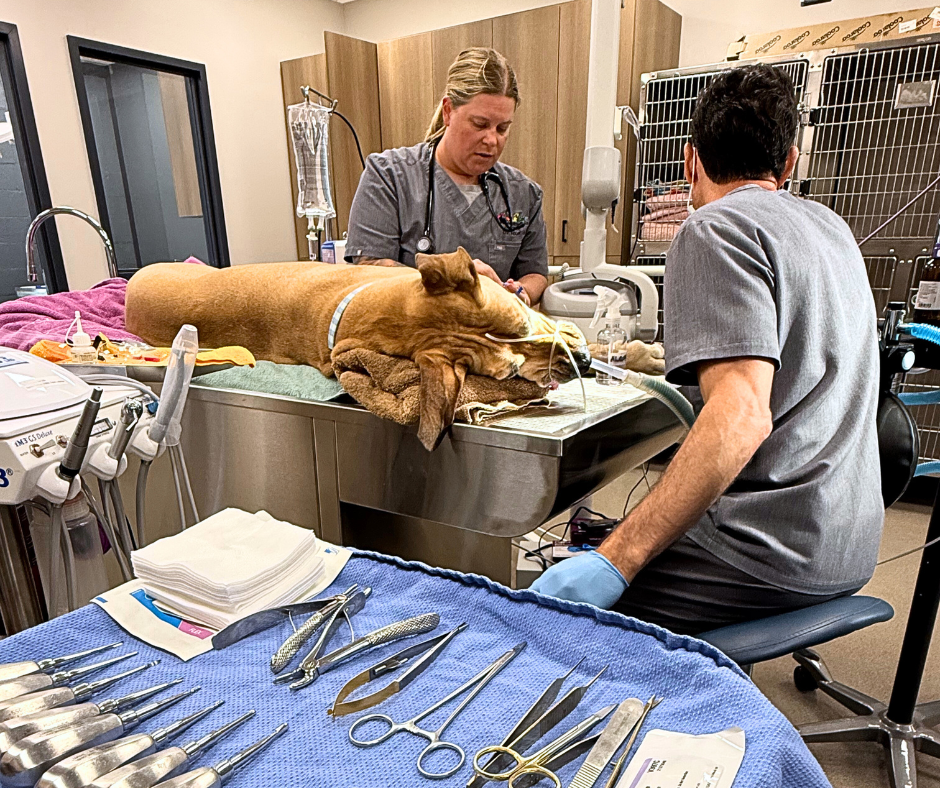

A Complete Guide For Pet Parents
As a devoted pet parent, you’re probably well-versed in the everyday quirks of your dog or cat from their enthusiastic tail wags and midday naps to their occasional mischief. But what happens when something serious occurs? Knowing the difference between an emergency and a regular vet visit isn’t just helpful, it can save your pet’s life.
In this guide, we’ll walk you through exactly what constitutes a pet emergency, how to spot the red flags, and when it’s perfectly fine to wait for a normal clinic appointment. Whether you’re dealing with a sudden injury, unusual behavior, or concerning symptoms, this article will help you make confident decisions under pressure.
Understanding What a Pet Emergency Really Is
A pet emergency is any situation that threatens your pet’s life, causes severe pain, or could lead to permanent harm without immediate medical care. This isn’t about routine checkups or minor bumps; it’s about recognizing when every minute counts.
The American Veterinary Medical Association (AVMA) highlights a set of 13 serious emergencies that require swift veterinary consultation or care. These are the kinds of conditions where delaying treatment could result in serious complications or worse.
13 Critical Pet Emergencies You Should Never Ignore
1. Severe Bleeding
If your pet is losing blood that doesn’t stop within about five minutes, this is an emergency. Severe bleeding can lead to shock quickly and needs immediate treatment.
2. Difficulty Breathing or Choking
Struggling to breathe, gasping, constant coughing, wheezing, or choking are all serious. Pets can deteriorate rapidly if they can’t maintain proper airflow.
3. Blood in Bodily Fluids
Coughing up blood, blood in urine or stool, or bleeding from the nose or mouth are all red flags that something serious is happening internally.
4. Urinary or Stool Issues
An inability to urinate or pass stool, especially with signs of pain, is a true emergency. Male cats are particularly at risk for life-threatening urinary blockages.
5. Eye Injuries
Sudden injury to the eye, severe squinting, obvious trauma, or chemical exposure can lead to blindness if not treated promptly.
6. Poisoning or Toxic Ingestion
If you suspect your pet ate something toxic like antifreeze, chocolate, xylitol (a sweetener found in many sugar-free products), or rodent poison, this is a critical emergency. Quick action is essential.
7. Seizures or Staggering
Seizures, collapse, or sudden loss of coordination are signs of serious neurological or systemic issues. Prolonged or repeated seizures demand emergency care.
8. Broken Bones or Severe Limb Pain
Fractures, inability to bear weight, or intense limping may indicate internal damage that needs immediate attention.
9. Obvious Pain or Extreme Anxiety
Pets can’t always tell us they’re hurting, but if your companion is clearly in pain, restless, or distressed, it’s better to err on the side of caution.
10. Heat Stress or Heatstroke
Overheating can kill quickly. Heavy panting, weakness, bright red gums, and collapse are signs your pet is experiencing heatstroke.
11. Severe Vomiting or Diarrhea
If vomiting or diarrhea happens more than a couple of times in a day, especially with blood or dehydration signs, you should seek emergency care.
12. Refusal to Drink
While a single missed drink might not be alarming, refusing water for 24 hours or longer, especially accompanied by other symptoms, is serious.
13. Loss of Consciousness
Unresponsiveness or fainting requires immediate action and should always be treated as an emergency.
Other Emergency Pet Signs You Should Know
Beyond the AVMA’s list, other symptoms may also indicate a critical situation:
- Blue, pale, or yellow gums — may reflect oxygen deprivation, internal bleeding, or jaundice.
- Severe trauma from accidents — such as falls, being hit by a car, or animal attacks can cause hidden internal injury.
- Repeated seizures or seizures lasting more than a few minutes.
- Abdominal swelling or bloating — in dogs, especially large breeds, can signal a life-threatening condition called bloat.
When It’s Not an Emergency — But Still Serious
Not every unusual pet symptom is a full-blown emergency. Here are examples that typically warrant a same-day vet visit rather than a frantic rush to the ER:
- Mild limping without swelling or severe pain.
- Sneezing or mild coughing with no breathing trouble.
- Small cuts or abrasions that stop bleeding quickly.
- A gradual change in eating habits or mild stomach upset.
These signs should be evaluated by your veterinarian usually within the next 24–48 hours, but they don’t necessarily require emergency care.
What to Do When a Pet Emergency Happens
Knowing when to go is just the first step. Here’s how to handle a pet emergency calmly and effectively:
Call First
If you’re unsure whether it’s an emergency, call Uptown Veterinary Clinic or your local emergency vet right away. A quick phone conversation can help clarify urgency.
Transport Carefully
Keep your pet calm and secure during transport. Minimize movement if they are in pain or have a suspected fracture.
Don’t Try Home Treatments
Avoid giving human medication or remedies unless advised by a veterinary professional! Some substances that seem safe can be toxic to pets.
Prepare an Emergency Kit
Consider having a pet first-aid kit with basics like gauze, non-stick pads, digital thermometer, and a muzzle (for safety in stressed pets). But remember: first aid is only to bridge the gap until you reach professional care.
Trust Your Instincts — And Act Swiftly
One of the most important parts of managing a potential pet emergency is this: you know your pet best. If something feels wrong, it probably is. Don’t wait for symptoms to “get worse” before seeking help. Early action can make all the difference.
Whether it’s a regular vet visit or a critical emergency, Uptown Veterinary Clinic is here to support you and your beloved companion with knowledgeable, compassionate care every step of the way.
Emergency Contacts for Pet Owners near Columbus, GA
If you find yourself in an emergency or urgent situation during business hours CALL US and we can advise the best course of action. If it is after hours and we are not available, be sure to call the hospital BEFORE you begin your drive to be sure they can receive your pet, and are not at maximum capacity at the time. Below are some options to call if you find your pet needs emergency care:
Emergency:
Bailey Small Animal Teaching Hospital Emergency Services, Auburn, AL, (334) 844-4690
After hours Urgent Care:
Northside Animal Hospital 5377 Veterans Parkway, Columbus, GA 91304 , (706) 324-0333
Rivertown Veterinary Emergency, 4015 Veterans Ct H, Columbus, GA 31909, (706) 507-1707
ASPCA Poison Control Phone Number: (888) 426-4435