
Cat Carrier training
How to

Simple Tips to Help Your Cat Feel Safe, Calm, and Comfortable

For many cats, a trip to the veterinarian can be overwhelming. The unfamiliar carrier, car ride, new smells, barking dogs, and examination room can all create anxiety long before your cat ever meets the veterinary team.

At Uptown Veterinary Clinic, we understand that a calm visit is better for both pets and their families. The good news is that with a little preparation at home, you can dramatically reduce your cat’s stress and make veterinary visits a much more positive experience.

Why Are Cats So Stressed About Vet Visits?

Unlike dogs, cats are creatures of routine and territory. They feel safest in familiar surroundings, and being removed from their home environment can trigger fear and anxiety. In fact, many cats begin feeling stressed the moment the carrier appears because they’ve learned to associate it with an unpleasant experience. The American Animal Hospital Association recommends helping cats build positive associations with carriers and travel to significantly improve their ability to cope with veterinary visits. We’ve certainly seen the benefits of carrier training in our clinic.   

The goal is to reduce unnecessary stress and help your cat feel more secure so that routine vet visits are easier and more comfortable.

Tip 1: Make the Carrier Part of Everyday Life

One of the biggest mistakes cat owners make is storing the carrier away until appointment day. Instead:

  1. Leave the carrier out year-round.
  2. Place it in a favorite room where your cat already spends time.
  3. Add a soft blanket or familiar bedding.
  4. Toss treats or favorite toys inside.
  5. Allow your cat to explore it whenever they choose.

When the carrier becomes another comfortable resting place instead of a signal that “something scary is about to happen,” many cats become much more willing to enter on their own. 

Tip 2: Choose the Right Carrier

Not all carriers are created equal. The best carriers:

  1. Allow your cat to stand and turn around comfortably.
  2. Have excellent ventilation.
  3. Include a removable top or top-opening design.
  4. Are sturdy and easy to clean.

A carrier with a removable top allows your veterinary team to examine your cat with less handling, which often reduces anxiety significantly. 

Tip 3: Practice Before Appointment Day

Don’t let the veterinary visit be the only time your cat rides in the car.  A few weeks before an appointment:

  1. Encourage your cat to rest in the carrier.
  2. Carry the carrier around the house for a few minutes.
  3. Take short drives around the neighborhood.
  4. Reward calm behavior with treats afterward.

These short practice sessions teach your cat that being in the carrier doesn’t always lead to something stressful.

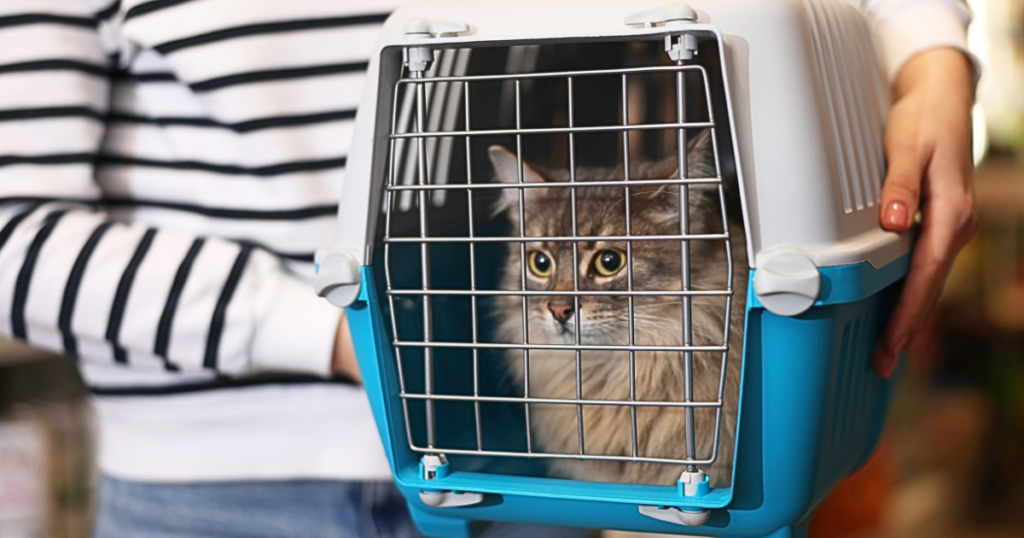
Cat Carrier training

Tip 4: Make the Ride More Comfortable

The trip to the clinic matters just as much as the visit itself.

To help your cat feel secure:

  1. Carry the carrier with both hands instead of swinging it by the handle.
  2. Keep the carrier level and close to your body.
  3. Secure it inside the vehicle so it won’t slide. Flat in the floorboard or the back of the car where the surface is even and secure is preferable.
  4. Drive smoothly and avoid sudden stops.
  5. Keep the car quiet by lowering loud music and minimizing distractions.
  6. Cover the carrier with a light towel if your cat feels calmer with reduced visual stimulation.

These simple adjustments can help prevent unnecessary fear during transportation. 

Tip 5: Let Your Cat Move at Their Own Pace

Once you arrive at the clinic, avoid rushing your cat. If possible:

  1. Wait in your vehicle until your appointment time.
  2. Leave your cat inside the carrier until instructed.
  3. Allow your cat to come out voluntarily whenever appropriate.
  4. Let the veterinary team guide handling during the examination.

Cats often feel more confident when they’re allowed a little control over their environment.

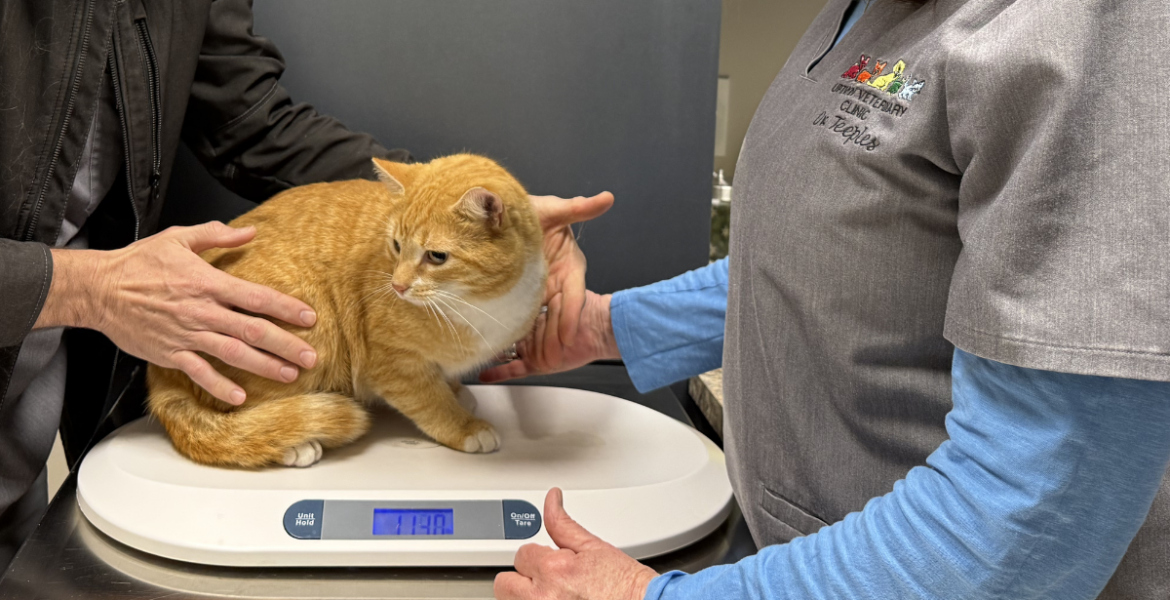
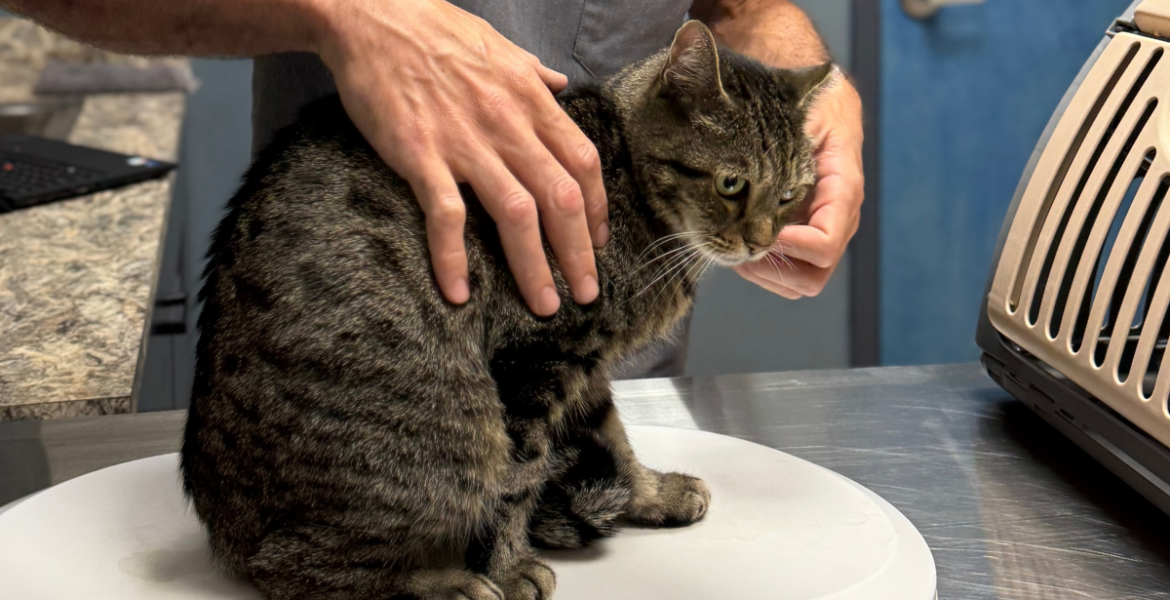
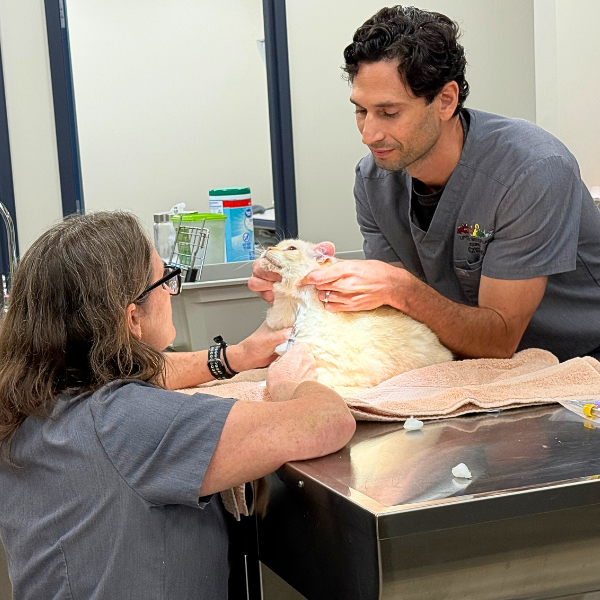
Cat Vet Visit

Tip 6: Tell Your Veterinary Team About Your Cat's Personality

You know your cat better than anyone. Before your appointment, let us know if your cat:

  1. Becomes anxious during travel.
  2. Hides when frightened.
  3. Has previously struggled during examinations.
  4. Gets motion sickness.
  5. Has become more sensitive with age.

Sharing these details ahead of time allows us to prepare for your visit and make adjustments that help your cat stay as comfortable as possible. 

Tip 7: Ask About Calming Medication if Needed

If your cat has an especially difficult time traveling or visiting the veterinarian, prescription anti-anxiety medications may help reduce fear before the appointment. These medications are short-acting and can make the experience safer and less stressful for both your cat and the veterinary team.

Never give any medication without first discussing it with your veterinarian. AAHA encourages pet owners to talk openly with their veterinary team if their cat experiences severe anxiety during visits. 

Tip 8: Remember That Regular Checkups Matter

Because many cats hide signs of illness, routine wellness examinations are one of the best ways to catch health problems early. Annual (and for many senior cats, twice-yearly) wellness visits help us monitor:

  • Weight changes
  • Dental health
  • Arthritis
  • Kidney disease
  • Diabetes
  • Thyroid disease
  • Heart health
  • Overall quality of life

The less stressful these visits become, the easier it is to keep your cat healthy throughout every stage of life. 

Helping Every Cat Feel More Comfortable

At Uptown Veterinary Clinic, we believe veterinary care should be as low-stress as possible for every patient. From gentle handling techniques to taking the time your cat needs to feel comfortable, our team is committed to creating positive experiences that build trust, not fear.

Whether you’re bringing home a new kitten or caring for a senior feline companion, we’re here to help every visit feel a little easier.

Need to schedule your cat’s next wellness exam? Contact Uptown Veterinary Clinic today to book an appointment. We’ll work with you to make your cat’s visit as calm, comfortable, and stress-free as possible.

Pet Emergency or Vet Visit? How to Tell the Difference

In this guide, we’ll walk you through exactly what constitutes a pet emergency, how to spot the red flags, and when it’s perfectly fine to wait for a normal clinic appointment. Whether you’re dealing with a sudden injury, unusual behavior, or concerning symptoms, this article will help you make confident decisions under pressure.

Read More