

Pet Wellness Month

October is National Pet Wellness Month!

One of the first questions new pet owners ask is how they can ensure the best health for their pet. If it’s been a while since you’ve thought about those healthy basics, now is the perfect time to take a closer look at your pet’s daily routine and make sure you’re doing everything you can to help them live a long, healthy, and happy life. From routine veterinary checkups to a nutritious diet, regular exercise, and good dental hygiene, small steps can make a big difference in your pet’s overall well-being.

At Uptown Veterinary Clinic, we believe that preventive care is one of the best ways to give your furry family members the healthy lives they deserve. Here are four essential components of pet wellness every pet owner should know.

1. Schedule Routine Veterinary Checkups

Cat Vet Visit

Just like people, pets benefit from regular health checkups, even when they seem perfectly healthy! Routine veterinary visits allow us to monitor your pet’s health, identify potential concerns early, and recommend preventive care tailored to their individual needs.

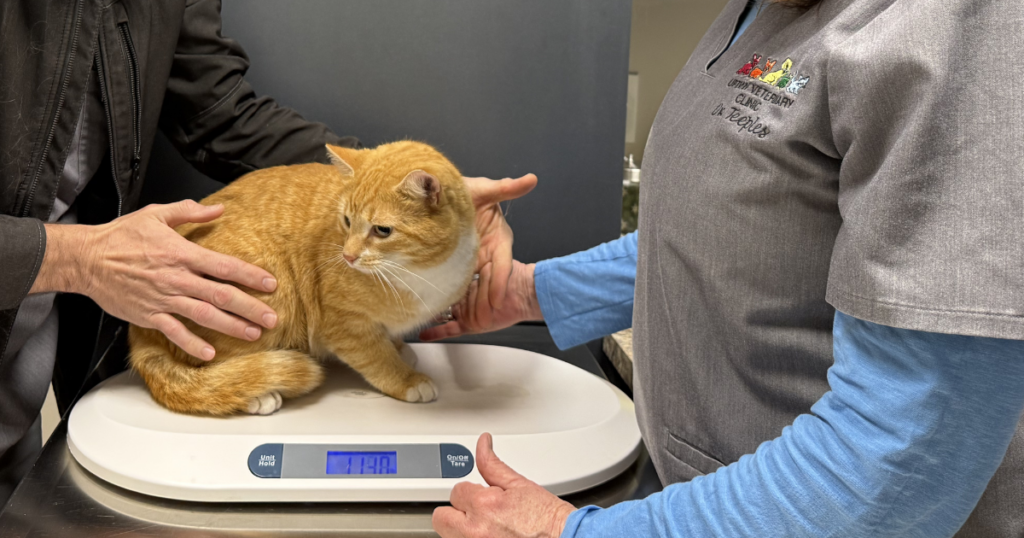
During a wellness visit, we will evaluate your pet’s weight, heart and lung function, eyes, ears, skin, and overall physical condition. Depending on your pet’s age, lifestyle, and medical history, your veterinarian may also recommend vaccinations, parasite prevention, screening tests, or annual bloodwork.

Regular checkups are especially important because pets can be experts at hiding signs of illness. Changes in behavior, appetite, thirst, energy levels, or bathroom habits may be subtle at first, but can be hints at a greater issue.

How often should your pet visit the vet? Healthy adult pets generally benefit from at least one wellness exam each year, while senior pets, young puppies and kittens, and pets with ongoing health concerns may need more frequent visits.

Staying on top of preventive care helps you and your veterinarian establish a health baseline and address concerns before they become more serious.

2. Feed a Balanced, Nutritious Diet

Pet nutrition

Good nutrition is the foundation of health and vitality. A balanced diet provides the nutrients your pet needs to maintain a healthy weight, support their immune system, build and repair tissues, and stay active. However, there is no single diet that is right for every pet. Nutritional needs vary based on age, breed, activity level, body condition, and underlying health concerns.

Here are a few ways to support your pet’s nutritional health:

  1. Choose an appropriate pet food. Look for a complete and balanced diet appropriate for your pet’s life stage. Your veterinarian can help you evaluate food options and determine what best meets your pet’s needs.
  2. Watch portion sizes. Even nutritious food can contribute to weight gain when portions are too large. Follow feeding guidance and adjust portions with your veterinarian’s help.
  3. Keep treats in moderation. Treats are great for training and bonding, but they should generally make up no more than 10% of your pet’s daily calories.
  4. Provide fresh water. Make sure clean, fresh water is always available to help your pet stay hydrated.
  5. Avoid unsafe foods. Chocolate, grapes and raisins, onions, garlic, and products containing xylitol can be dangerous to pets. Keep potentially toxic foods out of reach.

Maintaining a healthy weight is particularly important. Excess weight can increase the risk of several health problems and may place additional stress on your pet’s joints. If you’re unsure whether your pet is at a healthy weight, ask us for guidance on what the healthiest weight range is for your pet. Together we can establish a nutrition plan to get on track.

3. Make Exercise Part of Your Pet’s Routine

Exercise does more than burn off extra energy. Regular physical activity supports a healthy weight, strengthens muscles, promotes mobility, and provides valuable mental stimulation.

The right amount of exercise depends on your pet’s age, breed, health, and individual personality. An energetic young dog may enjoy longer walks and games of fetch, while a senior dog may benefit from shorter, gentler outings. Cats also need daily opportunities to move, explore, stalk, chase, and play.

Try these simple ways to keep your pet active:

  1. Go for daily walks. For dogs, walks provide physical activity as well as opportunities to explore new scents and surroundings.
  2. Make time for interactive play. Toys, fetch, and supervised games can help dogs stay engaged. Wand toys, toy mice, and short play sessions can encourage cats to move.
  3. Add mental enrichment. Puzzle feeders, treat-dispensing toys, and simple training exercises can provide a stimulating challenge.
  4. Adjust activity to your pet’s abilities. Watch for excessive panting, limping, stiffness, or reluctance to continue, and consult your veterinarian if you notice concerning changes.
  5. Stay mindful of the weather. In warmer conditions, exercise during cooler parts of the day and provide access to water and shade.

Consistency matters more than intensity. A manageable daily routine can help your pet stay fit while strengthening the bond you share.

The Health Benefits of Walking Your Dog

At Uptown Veterinary Clinic, we often remind pet owners that regular exercise is an essential part of preventative care. Here are some of the key dog walking health benefits for both dogs and humans.

Read More

4. Don't Forget Your Pet’s Dental Health

pet dental care - Learning Center

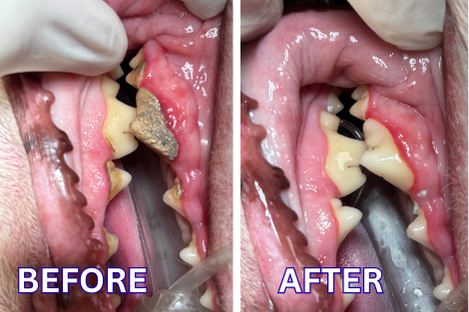
Dental care is an essential, often overlooked, part of preventive wellness. Plaque and tartar can build up on your pet’s teeth, contributing to bad breath, inflamed gums, periodontal disease, and discomfort. Untreated dental disease can also affect your pet’s overall health.

Unfortunately, pets don’t always show obvious signs of oral pain. They may continue eating even when their mouths hurt, making regular dental evaluations especially important.

You can help protect your pet’s teeth and gums by:

  1. Brushing regularly. Daily brushing is ideal when tolerated. Use a toothbrush and toothpaste specifically formulated for pets. Never use human toothpaste, which may contain ingredients unsafe for animals.
  2. Scheduling dental evaluations. Your veterinarian can examine your pet’s mouth and determine whether a professional dental cleaning is needed.
  3. Choosing dental products carefully. Look for products designed for pets and ask your veterinarian for recommendations. Some dental products carry the Veterinary Oral Health Council (VOHC) Seal of Acceptance.
  4. Watching for warning signs. Persistent bad breath, red or bleeding gums, drooling, difficulty chewing, pawing at the mouth, or dropping food may indicate a dental problem.

Professional dental cleanings may be recommended to remove plaque and tartar below the gumline, where brushing cannot reach. Your veterinarian can help you determine the appropriate dental care plan for your pet.

The Importance of Routine Dental Visits for Cats and Dogs

Cristian Carattini, DVM at Uptown Veterinary Clinic says, “At our clinic, we see firsthand how proper dental hygiene can dramatically improve a pet’s quality of life. That’s why we emphasize the importance of routine dental visits for both cats and dogs.”

Read More

Make Pet Wellness a Year-Round Priority

Pet Wellness Month

National Pet Wellness Month is a great reminder that keeping your pet healthy involves more than treating illness when it occurs. Routine veterinary visits, balanced nutrition, regular exercise, and consistent dental care all play important roles in supporting your pet’s quality of life.

Every pet is different, and their wellness needs will change as they grow older. Working with your veterinarian helps ensure that your pet receives care tailored to their age, lifestyle, and individual health needs.

Ready to make your pet’s health a priority? The team at Uptown Veterinary Clinic is here to help you build a wellness plan that supports your pet through every stage of life.

Call Uptown Veterinary Clinic to schedule your pet’s wellness exam. Your pet gives you a lifetime of love, so let’s help them enjoy as many healthy years as possible!