
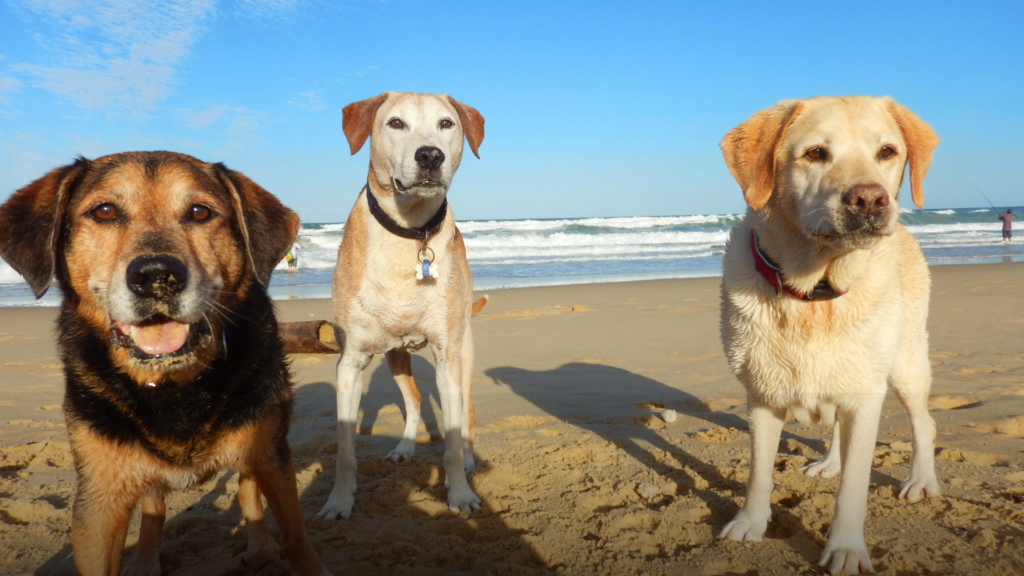
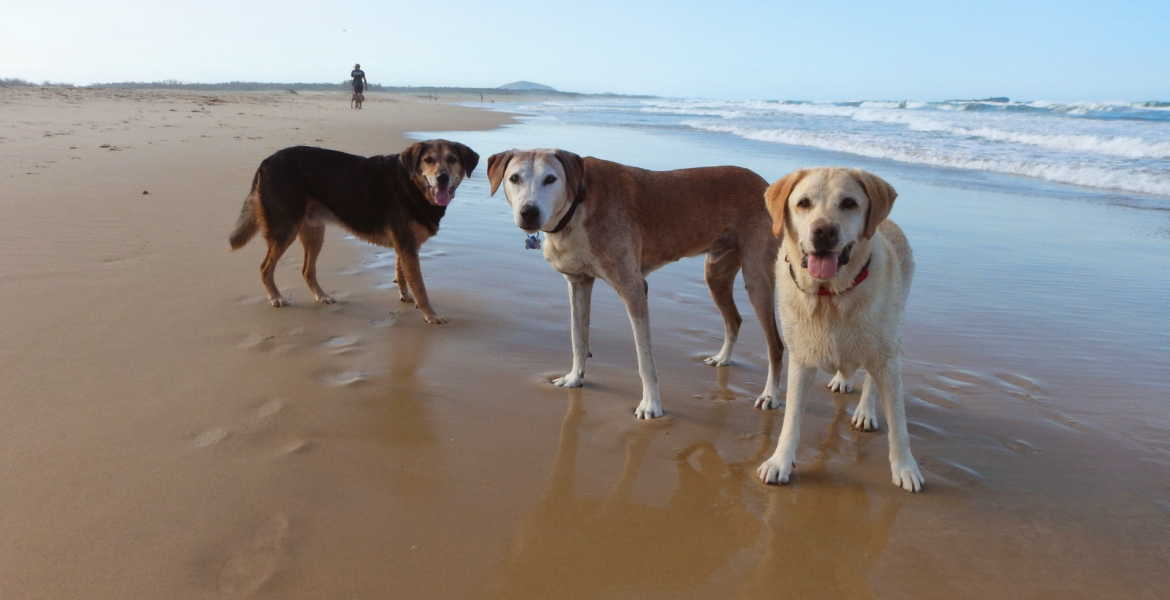
Ready for a long weekend vacay to the beach with your pup?  For those of us in the Chattahoochee Valley, Labor Day weekend is a great opportunity for a quick beach getaway. Sunshine, fresh air, swimming, and plenty of new smells make the beach an excellent doggy adventure. But the beach also comes with a few hazards that every pet parent should know about.

Before you even pack the towels and toys, keep these simple precautions in mind to help make your dog’s beach day safe and enjoyable.

Watch it

Be Cautious When Swimming in Salt Water

Dogs may be tempted to drink seawater while swimming or playing in the waves, but salt water can make them sick. Drinking too much can cause vomiting, diarrhea, dehydration, and, in severe cases, dangerous salt poisoning that causes seizure-like symptoms. Monitor them when swimming to be sure your pup isn’t taking in too much salt water. 

Bring plenty of fresh drinking water and offer it to your dog regularly. A portable bowl can make it easier to keep them hydrated throughout the day. If your dog drinks a large amount of seawater or develops symptoms such as repeated vomiting, weakness, confusion, or seizures, take them to the vet or veterinary hospital promptly.

More than a Mess

Watch Out for Sand

Not only is it a big mess, but sand can pose a health risk if your dog eats too much of it. Dogs may ingest sand while digging, licking wet paws, or playing with sandy toys. Large amounts can accumulate in the digestive tract and potentially cause an intestinal blockage.

Try to discourage your dog from eating sand, and rinse their paws and toys with fresh water before they settle down for a snack or chew session. Keep a close eye on enthusiastic diggers and dogs that tend to put everything in their mouths.

Is the water safe?

Keep Your Dog Away From Stagnant Water

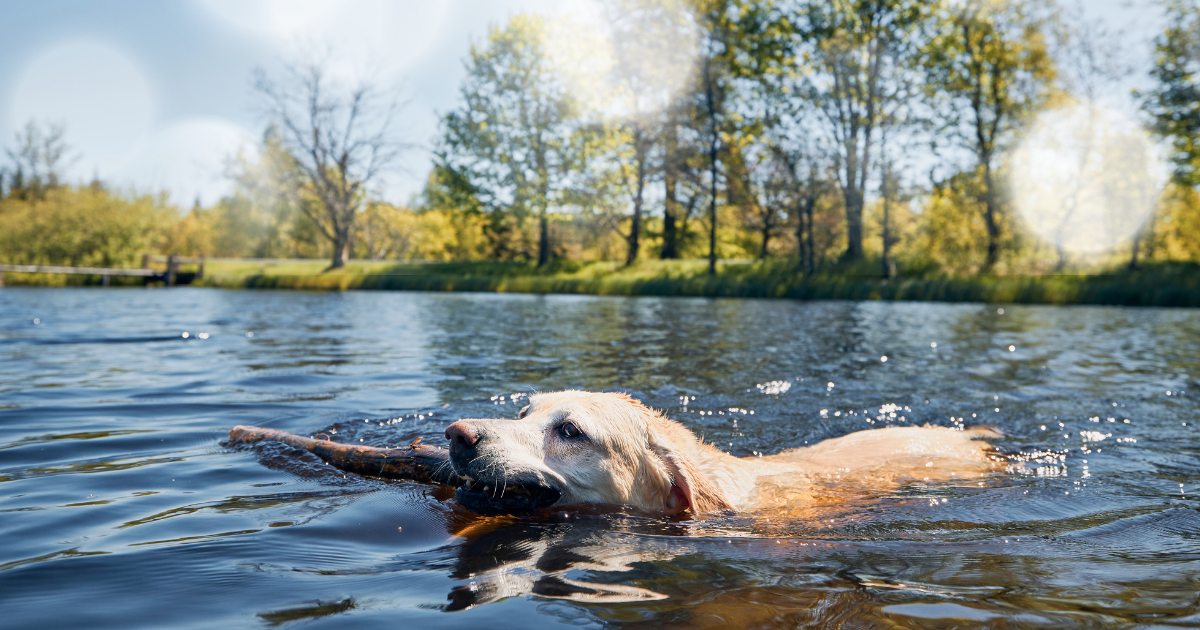
Not all water is safe for dogs to swim in. Avoid letting your dog swim in or drink from stagnant ponds, lakes, or other bodies of water where harmful algae may be present. Certain harmful algal blooms can produce toxins that cause serious, potentially life-threatening illness in dogs.

Algae-contaminated water may look discolored, foamy, or like it has a layer of scum on the surface, but toxins can sometimes be present even when an obvious bloom isn’t visible. When in doubt, keep your dog out of the water.

If your dog does swim in or drink potentially contaminated water, rinse them thoroughly with clean, fresh water and prevent them from licking their coat. Contact your veterinarian or an emergency veterinary clinic immediately if your dog develops symptoms such as vomiting, diarrhea, excessive drooling, weakness, tremors, seizures, difficulty breathing, or collapse. Harmful algal toxin exposure can become an emergency very quickly.

When enjoying the outdoors with your dog, choosing clean, flowing, or designated pet-friendly swimming areas is the safest option.

Are we having fun yet?

Be Mindful
of Beach Anxiety and Fear

While some dogs love the beach, others may find the unfamiliar sights, sounds, and sensations overwhelming. Waves crashing, crowds, children running, loud noises, slippery surfaces, and strong smells can all cause anxiety or fear, especially in dogs who are not accustomed to busy environments.

Watch your dog’s body language for signs that they are uncomfortable, such as hiding, trembling, excessive panting, pacing, whining, trying to escape, tucked ears or tail, or refusing treats. Never force a fearful dog into the water or make them stay in an environment that is causing distress.

Instead, give your dog plenty of space and the opportunity to retreat to a quiet, shaded area. Keep them safely leashed if they are nervous or likely to bolt, and consider visiting during a quieter time of day when fewer people and dogs are present. Bring familiar items, such as a favorite blanket or toy, to help your dog feel more secure.

If your dog consistently experiences significant fear or anxiety in new environments, talk with your veterinarian before your beach trip. We can help you develop a plan to make outings less stressful and determine whether additional behavioral support may be appropriate.

Don't run off!

Make Sure Microchip Information Is Current

A busy beach can be an easy place for a curious dog to wander away or an anxious dog to run away. Before heading out, make sure your dog’s microchip is registered and your contact information is up to date.

Did you move recently? Changed phone numbers? Make sure those details have been updated with the microchip registry. A microchip only helps reunite you with your pet if the associated information is accurate. It’s also a good idea to make sure your dog’s collar ID tag has your current contact information.

Think Ahead.

A Few More Beach Day Precautions

As a precaution, look up emergency veterinary hospitals in the area beforehand. Keep your dog comfortable and supervised throughout the outing. Provide access to shade, watch for signs of overheating, and consider protective measures for hot sand and intense sun. Check the beach rules before you go, since some beaches have restrictions on dogs or require them to remain leashed.

After swimming, rinse your dog with fresh water to remove salt and sand from their coat and paws. Dry their ears thoroughly, especially if your dog is prone to ear problems.

Have fun.

Enjoy the Beach Safely!

With a little preparation, you can help your dog enjoy the beach while avoiding some of its common hazards. Fresh water, careful supervision, clean paws, and current identification information can go a long way toward making your outing a happy one.

If you have questions about preparing your dog for summer adventures, Uptown Veterinary Clinic is here to help. Give us a call before your next beach trip, and we’ll help you get your four-legged family member ready for fun in the sun.

Beat the Heat: Protect Your Pet from Heat Stroke

Dogs and cats can’t sweat the way we do, which means they’re far more vulnerable to heat exhaustion and heat stroke than most people realize. Here’s what every pet owner in the Chattahoochee Valley needs to know before the hottest months arrive.
Read More

Water and Boating Safety for Your Pets: Enjoy Summer Safely

Summer in the Chattahoochee Valley means more time spent on the water. Whether you’re boating on Lake Oliver, kayaking the Chattahoochee River, or relaxing by the neighborhood pool, many pets love joining the adventure. Water can be a great source of exercise and fun,but it also presents risks that every pet owner should understand.

Read More