When your pet seems happy, active, and healthy, it can be easy to assume that everything is just fine beneath the surface. But some health changes can begin long before noticeable symptoms appear. That’s one reason routine blood work can be such an important part of your pet’s preventive healthcare.

Blood tests give your veterinary team valuable information about what is happening inside your pet’s body. When results are collected regularly, they can also establish a baseline for your individual pet, making it easier to recognize subtle changes over time.

The American Animal Hospital Association (AAHA) explains what routine blood work can tell us and why it matters. We’ve summarized some points below and linked to their articles to help you better understand this important part of your animal’s wellness care.

“Every pet has a unique baseline. Testing regularly helps us know what is normal for each individual pet, and makes spotting abnormalities much easier,” Dr. Teeples explains.
Dr. Melissa Teeples, Uptown Veterinary Clinic
Dr. Melissa Teeples
Veterinarian, Uptown Veterinary

A Proactive Approach Can Make a Difference

Routine testing can help establish your pet’s individual baseline and give your veterinarian valuable information to compare over time. Detecting a change early may provide an opportunity to investigate and address a potential problem before it becomes more advanced.

Think of your pet’s blood work as part of a health history that grows with them. One set of results provides information about today. Several years of results can reveal patterns and trends that may be much more meaningful.

When Might Your Pet Need Blood Work?

The appropriate testing schedule depends on your pet’s age, health history, lifestyle, and individual needs. Blood work may be recommended as part of routine wellness care, but it can also be useful in several other situations.

Your veterinarian may recommend blood testing:

  • During a routine wellness examination
  • When your pet is over the age of seven years
  • Before anesthesia or surgery
  • Before starting certain medications
  • To monitor the effects of long-term medications
  • When your pet is showing subtle changes in health
  • When monitoring an existing medical condition
  • When investigating possible organ or metabolic problems

Healthy pets may be tested at different intervals depending on their life stage, while senior pets or animals with ongoing health concerns may need more frequent monitoring. For example: thyroid issues and diabetes are common in older animals.

What Happens During a Blood Test?

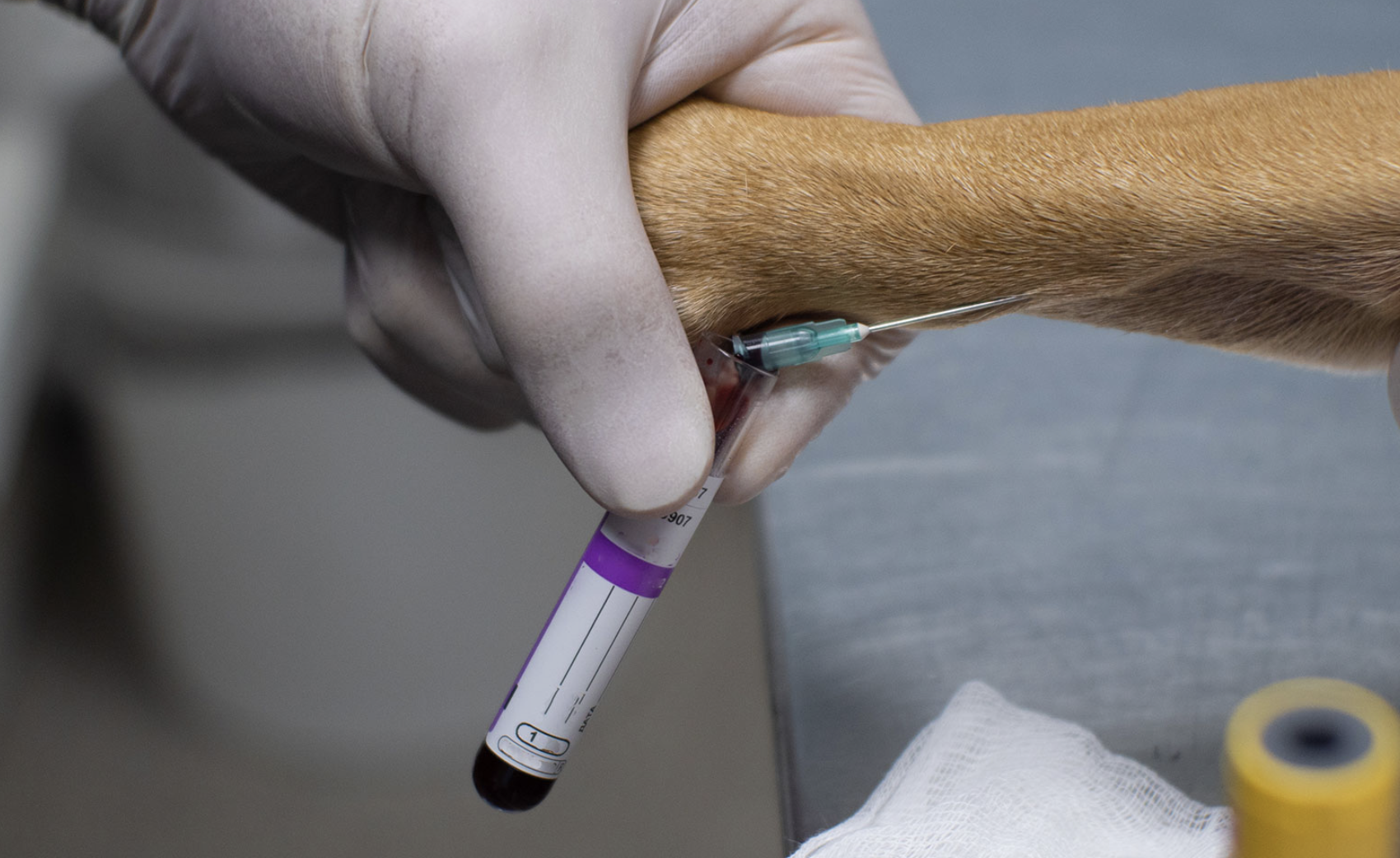
For most pets, collecting a blood sample is a quick procedure that can often be performed during a routine veterinary visit. A veterinary technician typically collects a small blood sample from a vein in the neck or leg. 

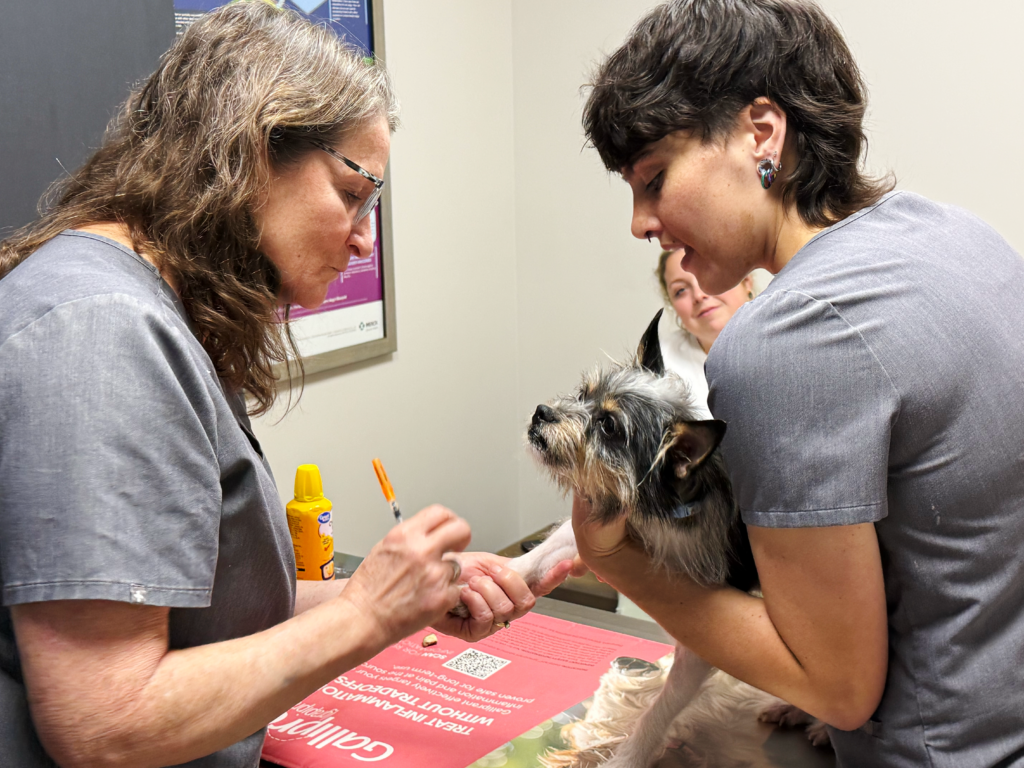
Our team uses gentle, low-stress handling techniques to help keep pets comfortable. Positive experiences, such as offering a favorite treat during or after the blood draw, can also help make future visits easier. Sometimes, only when necessary, medication can be given to put the pet at ease during their bloodwork. 

Once the sample has been analyzed, our team can review the results with you and explain whether anything needs to be monitored or investigated further.

Understanding Your Blood Test Results

Interpreting your pet’s bloodwork can be intimidating. You don’t have to worry about knowing a lot of technical jargon to learn about your pet’s health. That’s why your care team is here to help. 

The American Animal Hospital Association has a great article that breaks down bloodwork for both cats and dogs. 

The ABCs of Dog Blood Work: What Those Results Really Mean

Routine blood work is more than just numbers; it’s a window into your dog’s overall well-being. Learn what common tests like CBC and Blood Chemistry Panel really measure and why annual bloodwork is one of the smartest things you can do for your pup.
Read More

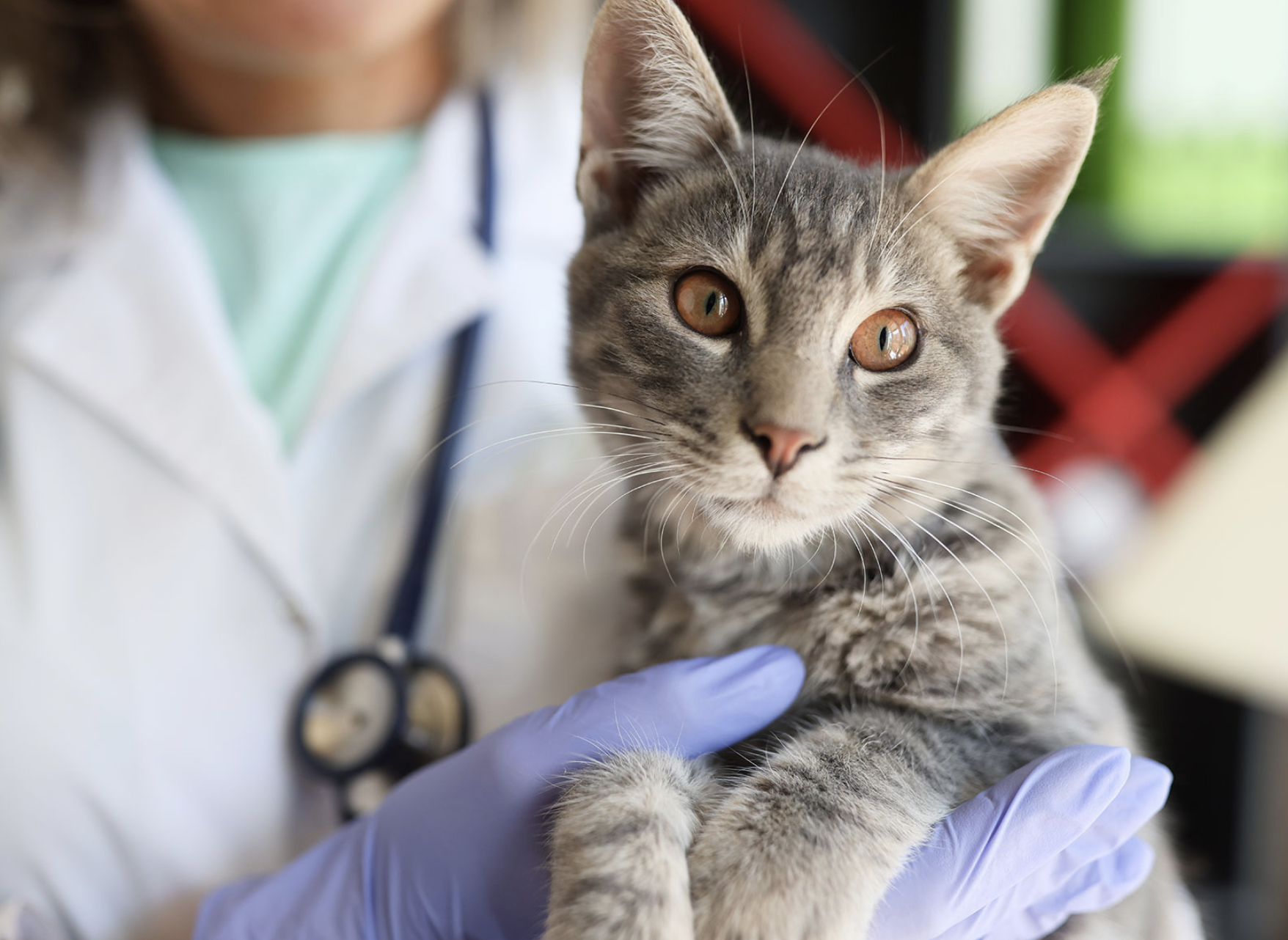
The ABCs of Cat Bloodwork: What Those Results Really Mean

From annual wellness exams to senior care, blood tests reveal what your cat can’t tell you. They help detect kidney disease, thyroid issues, diabetes, and more. And they do it often before any symptoms appear. Find out what’s included in common blood panels, how trends over time guide care, and why your role in monitoring matters.

Read More

The Bottom Line

Your pet may not be able to tell you when something doesn’t feel quite right, and some health problems don’t produce obvious symptoms in their early stages. Routine blood work gives your veterinary team another way to look at your dog’s health and identify changes that may otherwise go unnoticed.

Most importantly, don’t worry if your dog’s lab report contains a value that is slightly outside the listed reference range. A laboratory result is just one piece of the puzzle. Your veterinarian will consider the complete picture that includes your pet’s examination, medical history, previous results, and how they are doing at home.

At Uptown Veterinary Clinic, we believe preventive care is one of the best ways to help your pet enjoy a longer, healthier life. If your pet is due for a wellness examination, talk with our veterinary team about whether routine blood work is appropriate for their age, health, and lifestyle.

Because when it comes to your pet’s health, knowing what’s normal today can help us recognize what changes tomorrow.