
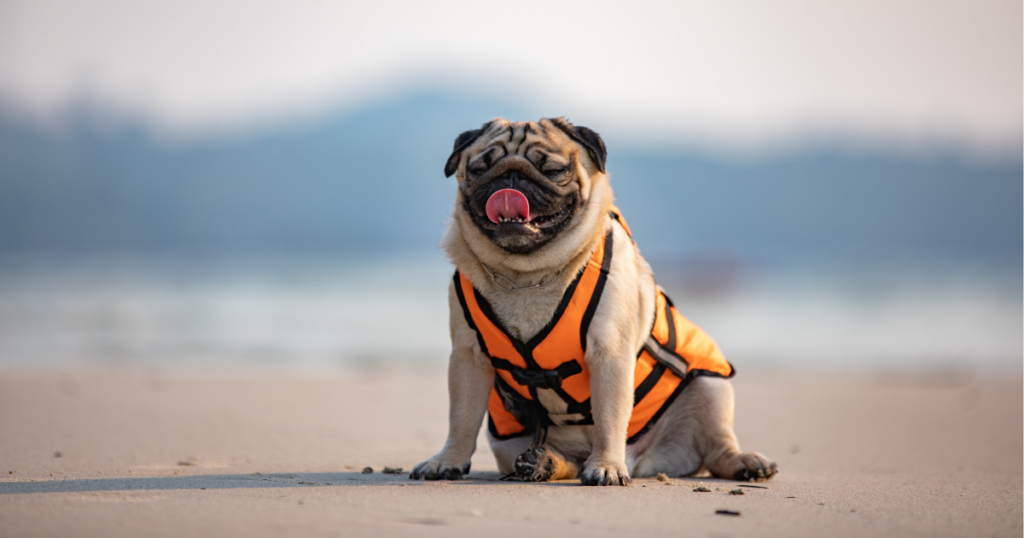

Summer in the Chattahoochee Valley means more time spent on the water. Whether you’re boating on Lake Oliver, kayaking the Chattahoochee River, or relaxing by the neighborhood pool, many pets love joining the adventure. Water can be a great source of exercise and fun,but it also presents risks that every pet owner should understand.
At Uptown Veterinary Clinic, we want your four-legged family members to enjoy every summer outing safely. Here are our top tips for keeping your pets safe around water and on the boat.
Not Every Dog Is a Natural Swimmer
There’s a common misconception that all dogs instinctively know how to swim. While many breeds enjoy the water, others may struggle due to their body shape, age, health, or experience.
Flat-faced breeds like Bulldogs and Pugs, senior pets, puppies, and dogs with arthritis or mobility issues may tire quickly or have difficulty staying afloat. Even strong swimmers can become exhausted in open water or strong currents.
If your dog is new to swimming, introduce them gradually in calm, shallow water and never force them into the water. Allow positive experiences to build confidence over time.
Every Pet on a Boat Should Wear a Lifejacket
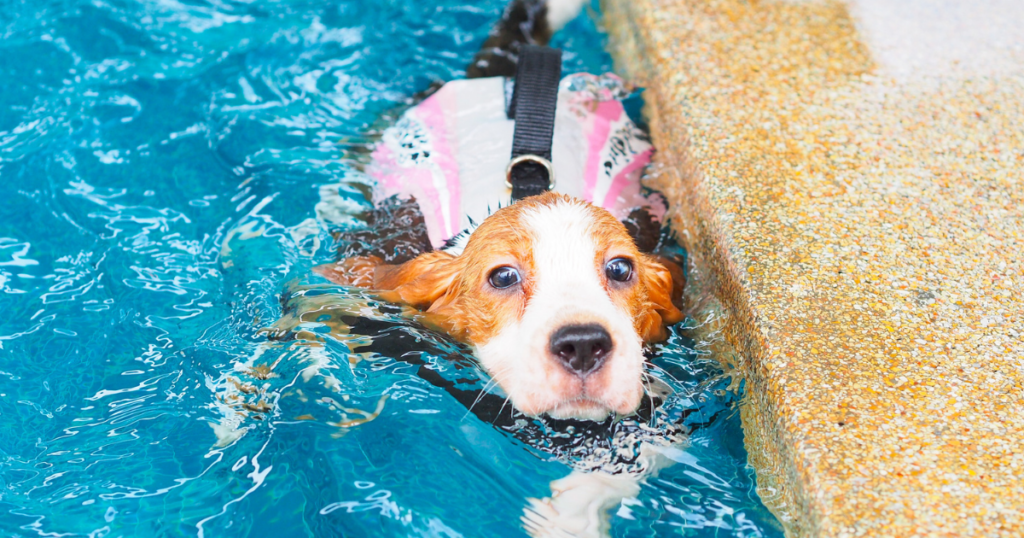
Just as people wear life jackets, pets should too. A properly fitted canine life jacket provides flotation if your pet accidentally falls overboard and makes them much easier to rescue.
Even excellent swimmers benefit from wearing a life jacket. Unexpected waves, fatigue, or cold water can quickly turn a fun outing into an emergency. Look for a life jacket that includes:
Pack for Your Pet
Before heading out on the water, make sure your pet has everything they need for a comfortable day. Bring:
Yes, you do have to bring water. Never allow your pet to drink lake, river, or ocean water. Salt water can cause dangerous sodium toxicity, while stagnant freshwater may contain toxic blue-green algae or harmful bacteria (like Giardia or Leptospirosis).
Watch for Heat Exhaustion
Boats offer little natural shade, and sunlight reflects off the water, increasing your pet’s exposure to heat. Signs your pet may be overheating include:
Offer frequent water breaks, provide shaded areas whenever possible, and avoid boating during the hottest part of the day.
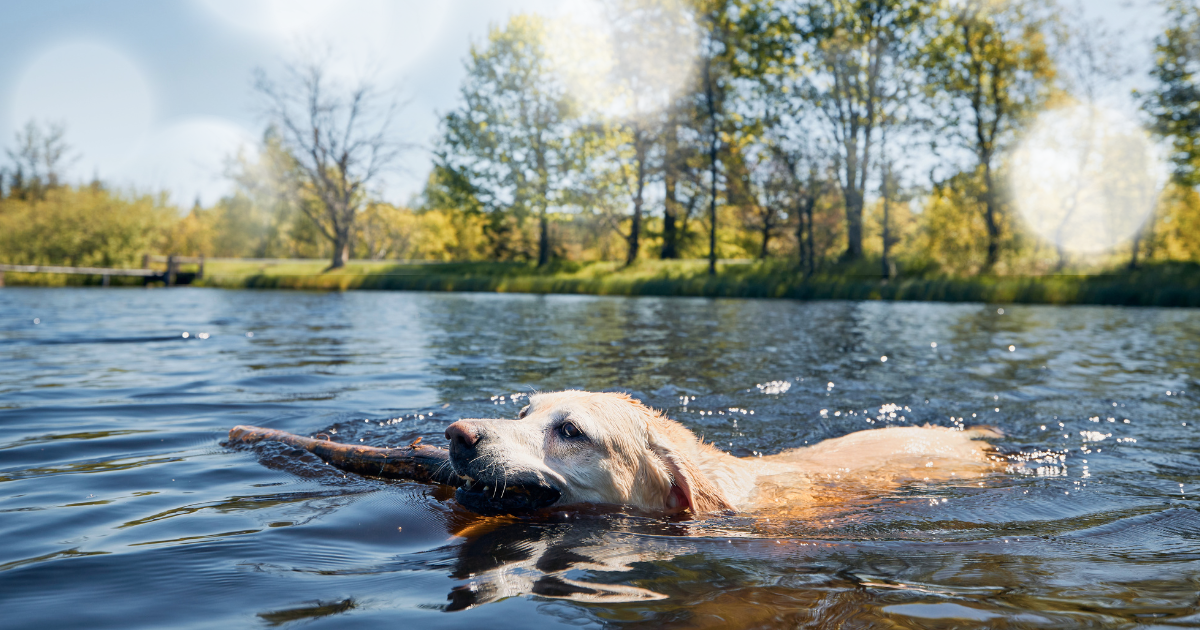
More Info: Protect Your Pet from Heat Stroke
Dogs and cats can’t sweat the way we do, which means they’re far more vulnerable to heat exhaustion and heat stroke than most people realize. Here’s what every pet owner in the Chattahoochee Valley needs to know before the hottest months arrive.
Keep Pets Away from Boating Hazards
Curious pets can easily encounter dangers around a boat.
Be sure to keep them away from:
Keep your pet supervised at all times while the boat is moving, and don’t allow them to ride on the bow or swim near an operating propeller.
Rinse Off After Swimming
Whether your pet has been swimming in a lake, river, pool, or the ocean, it’s a good idea to rinse them with clean water afterward. This helps remove:
Dry your pet thoroughly, especially around the ears, paws, and skin folds. Moisture trapped in the ears can contribute to painful ear infections, particularly in dogs that swim frequently.
Know the Warning Signs After Water Activities
Monitor your pet after swimming or boating. Prompt treatment can prevent minor problems from becoming more serious. Call your veterinarian if you see:
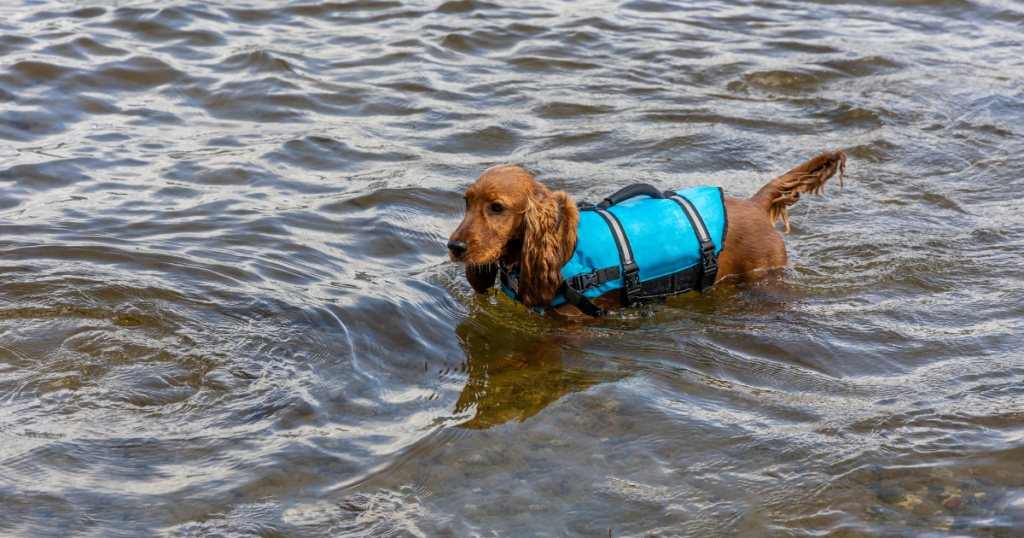
Make Safety Part of Every Adventure
Water adventures create lasting memories for families and their pets. With a little preparation, you can reduce the risks and make every boating or swimming trip a safe one.
If you have questions about your pet’s health before your next outing or if your pet develops concerns after spending time on the water, the team at Uptown Veterinary Clinic is here to help.
We wish you and your pets a fun, safe, and happy summer on the water!