
Tips for Keeping your Pet Safe from Seasonal Dangers
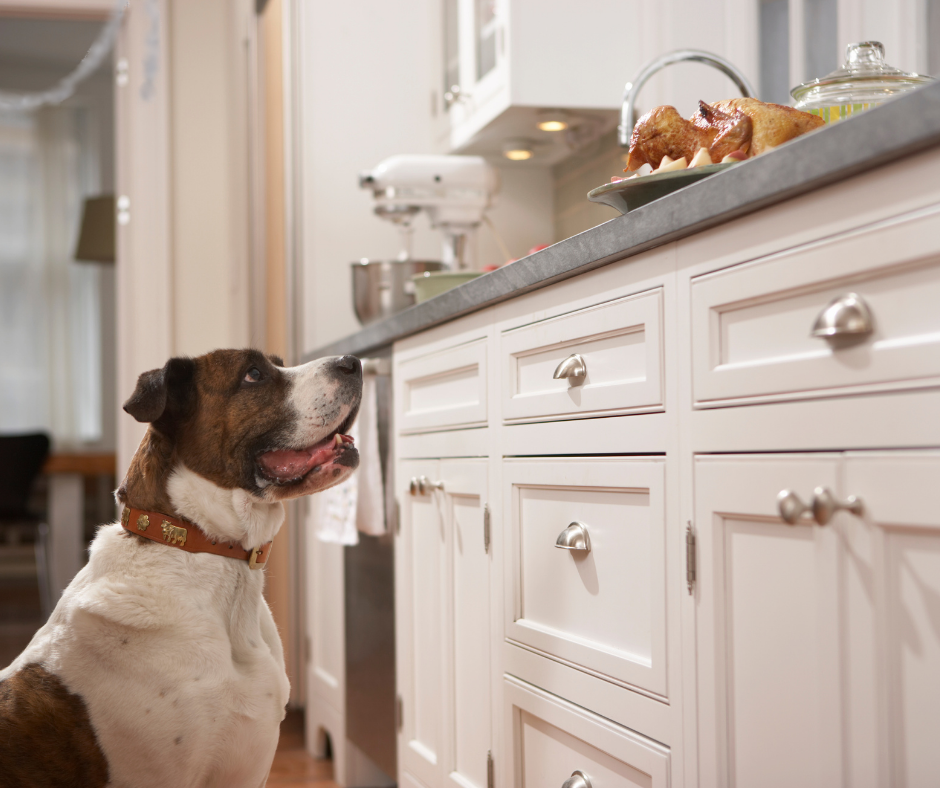
The holiday season brings twinkling decor, cheerful gatherings, and tables overflowing with once-a-year treats. While we’re celebrating, our pets are often right underfoot wide-eyed and hoping for a taste of whatever delicious thing just hit the floor. But many festive foods and decorations fall under the category of holiday toxins, and knowing what to avoid can help keep your furry family safe all season long.
Chocolate, Candy, and Sweet Treats
Chocolate shows up everywhere during the holidays, from cookies to truffles to edible gifts, and it remains one of the most common holiday toxins for pets. Chocolate contains theobromine, a compound that pets cannot metabolize well, and darker chocolate poses an even higher risk. Symptoms range from vomiting and restlessness to dangerous heart complications.
Sugar-free candies and baked goods equally come with their own risk: xylitol, an artificial sweetener that can cause a sudden, life-threatening drop in blood sugar in dogs. Even small amounts can lead to seizures or liver failure. Keep all candy bowls, baking trays, and gift baskets well out of reach.
Rich Foods & Table Scraps
Likewise, those irresistible seasonal dishes—stuffing, ham, gravy, casseroles, buttery rolls—are often loaded with fat and seasoning that pets simply can’t handle. High-fat foods may trigger pancreatitis, a painful condition that can require hospitalization.
Cooked bones are another common holiday hazard. Whether it’s a turkey leg or leftover prime rib, cooked bones can splinter easily and cause choking, intestinal blockages, or internal injury. As tempting as it is to “treat” your pet, stick to safe pet snacks instead.
Alcohol, Rising Dough & Other Kitchen Surprises
Toasts and festive drinks are fun for people, but alcohol is extremely dangerous for pets. Even small sips of wine, cocktails, or spiked desserts can cause vomiting, stumbling, dangerously low blood pressure, and even coma.
If you’re baking this season, be extra mindful of rising yeast dough. Dough eaten raw can expand inside the stomach, causing painful bloating. Even worse, as the yeast ferments, it produces alcohol internally creating a double toxin threat.
Holiday Plants with Hidden Risks
Beautiful seasonal plants can brighten a room, but many come with warnings for pet owners. Mistletoe and holly can cause gastrointestinal upset or, in some cases, more serious symptoms. Poinsettias are less dangerous than their reputation suggests but can still irritate a pet’s mouth and stomach.
The biggest danger, however, comes from lilies. Even a small amount of pollen, a leaf, or water from the vase can cause kidney failure in cats. If you have cats, skip lilies entirely.
Grapes, Raisins & Certain Nuts
Fruitcakes and snack mixes may hide two more major holiday toxins: grapes and raisins. Even tiny amounts can lead to kidney failure in dogs. Macadamia nuts are another big no-no, causing weakness, tremors, and overheating.
This season should be filled with warmth, not emergency vet visits. Keep tempting foods out of reach, remind guests not to share snacks, and give your pet safe, festive treats of their own. Finally, if you suspect your pet has gotten into holiday toxins, call Uptown Veterinary Clinic immediately. We’re here to help keep the season merry, bright, and safe for your furry friend!
Holiday Toxins Checklist for Pets
Foods to Keep Away
- Chocolate (dark, milk, cocoa powder, baking chocolate)
- Xylitol-containing items (sugar-free gum, candy, baked goods, peanut butter)
- Grapes & Raisins (including fruitcakes and trail mixes)
- Macadamia Nuts
- Onions, Garlic, Leeks, Shallots (often found in stuffing and savory dishes)
- High-fat or rich foods (ham, gravy, casseroles, buttery or greasy dishes)
- Cooked Bones (turkey, chicken, prime rib, ham)
- Raw Bread Dough (rising yeast dough)
- Alcohol (drinks, desserts, fermenting dough)
Holiday Plants to Avoid
- Mistletoe
- Holly
- Poinsettias (mildly toxic but can cause irritation)
- Lilies (extremely dangerous for cats)
- Amaryllis
- Christmas Cactus (generally mild but still can cause upset stomach)
Decor & Household Hazards
- Tinsel (especially dangerous for cats)
- Ribbon, string, and gift wrap
- Electrical cords from holiday lights
- Small ornaments or ornament hooks
- Scented candles & essential oils (some oils are highly toxic to pets)
- Salt dough ornaments (very high salt content)
Safe Holiday Tips
- Keep all food on counters or sealed in containers.
- Clean up spills and dropped food quickly.
- Remind guests not to feed pets table scraps.
- Provide pet-safe treats or toys to distract from holiday temptations.
- Call your vet or a poison hotline immediately if ingestion is suspected.